LHY, manufacturer of hydraulic drive systems, has been digitally mapping all material requirements and internal transport processes in assembly and logistics since 2025 with the Click.it system developed by KNOLL Maschinenbau. The benefits: less manual coordination, reduced search effort, and better control of logistical processes. Additionally, a data foundation is available for further analysis and improvement of processes.
LHY Powertrain, formerly Linde Hydraulics, is a sought-after technology partner for high-pressure hydraulics and modular drive systems. The company, which has been part of Weichai Power since 2012, produces hydraulic pumps, motors, and valves, electronic controls, peripheral devices, and offers complete system solutions. Around 800 employees are employed at the headquarters in Aschaffenburg. 'Here is our headquarters with all departments such as development, production, controlling, purchasing, and sales,' says Andreas Schmitt, who has been leading the Industrial Engineering Assembly department since 2018 and is also responsible for testing stands, painting, and intralogistics. 'Digitalization is a prioritized topic throughout the company. Specifically for our assembly and logistics, we have been looking for a suitable system for years.'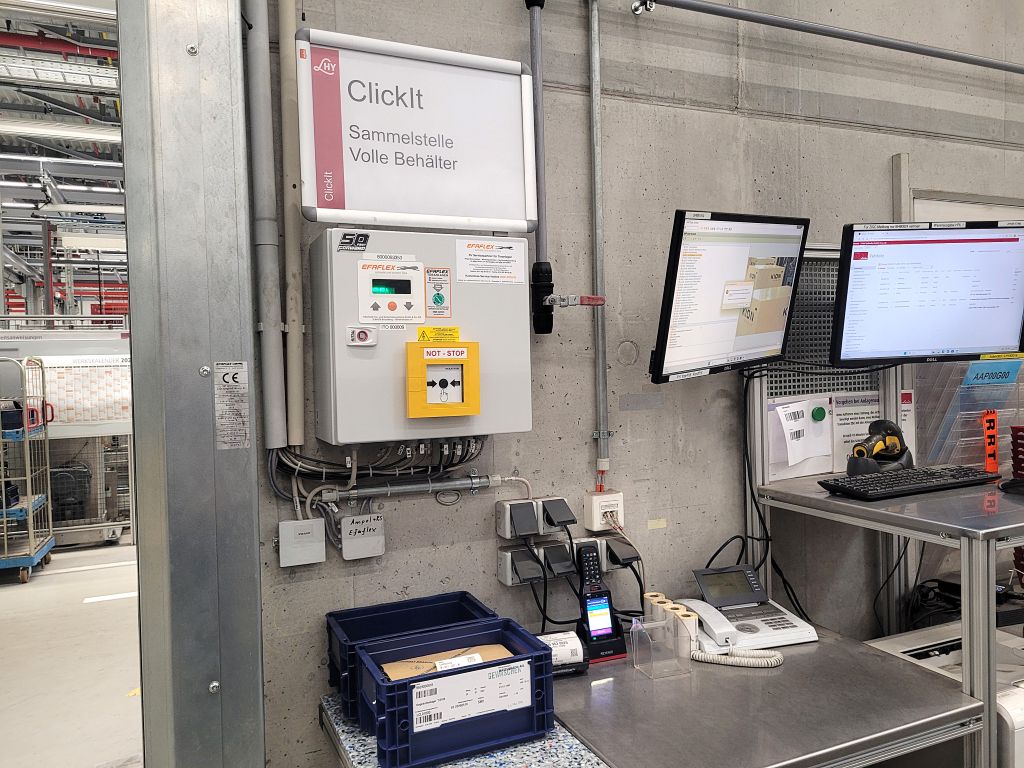
These efforts were intensified after an analysis of the information flow in assembly - from order entry to the finished unit. The result: Communication between the individual stations and logistics urgently needed modernization. At that time, it often took place via paper lists, calls, and phone. Andreas Schmitt explains: 'There were many media breaks that could lead to problems and delays. With a transparent, fully digital system, we wanted to bring communication up to the latest standard and optimize the workflow.'
Digital solution for smooth information flow
The responsible parties found what they were looking for at KNOLL Maschinenbau. The company from Bad Saulgau is considered a leading provider of conveyor and filtration systems as well as pumps that transport and separate chips and cooling lubricants (KSS). 'In our production, we use numerous chip conveyors and KSS pumps from KNOLL,' mentions Andreas Schmitt. Through the responsible sales representative, he learned that KNOLL also offers interesting products for assembly and intralogistics, such as autonomous transport systems (FTS) and - with the Click.it product family - small automation components that can trigger standardized processes. 'This Click.it system fascinated me from the start because it is simple and understandable,' says Schmitt.
'My team quickly realized that many processes in assembly and logistics could be streamlined and that we could avoid waste.'
However, before the purchasing decision, a benchmarking process was carried out, which Marco Politz, an employee in the Industrial Engineering Assembly team, was entrusted with. He explains: 'We had narrowed down six systems, which I compared based on various criteria, such as performance, price, and the effort required for installation and adaptation to our requirements. In the end, we were sure that with Click.it we would achieve the desired result the fastest and most efficiently.'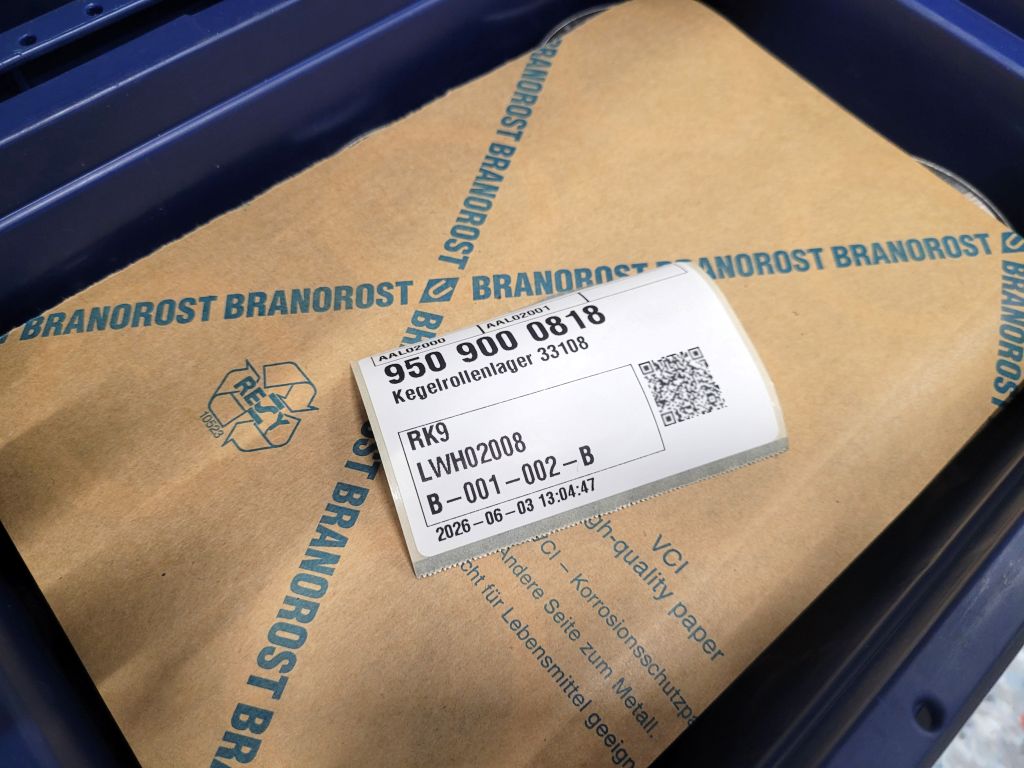
How does Click.it work?
Click.it essentially consists of input units and a server. The latter is a simple computer integrated into the intranet, which can also be set up as a virtual machine, as was done at LHY. As input units, KNOLL offers three different hardware systems (Click.it One / Pro / Connect) as well as the purely web-based software solution for overview and control of the system.
These input units are connected to the server via Ethernet or Wi-Fi, which processes the incoming signals and triggers corresponding orders. This means that, depending on the trigger, messages can be transmitted, processes started, or order-related data stored.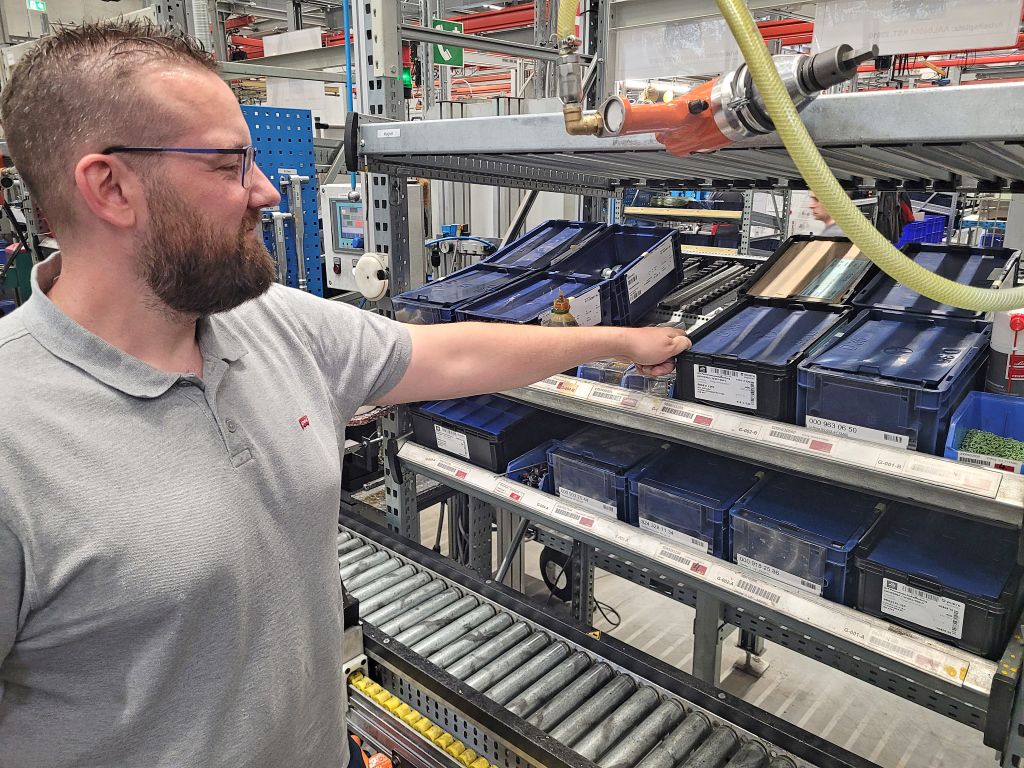
Any PC connected to the intranet, any tablet and smartphone, as well as peripheral devices such as printers and scanners can communicate with the Click.it server - if the rights are granted. Markus Zinser, product manager for automation at KNOLL, explains: 'We have strictly focused on standardization in hardware and software so that the system runs stably and changes or new developments can be implemented quickly. Because we are continuously developing Click.it.'
Ideal for intralogistics processes
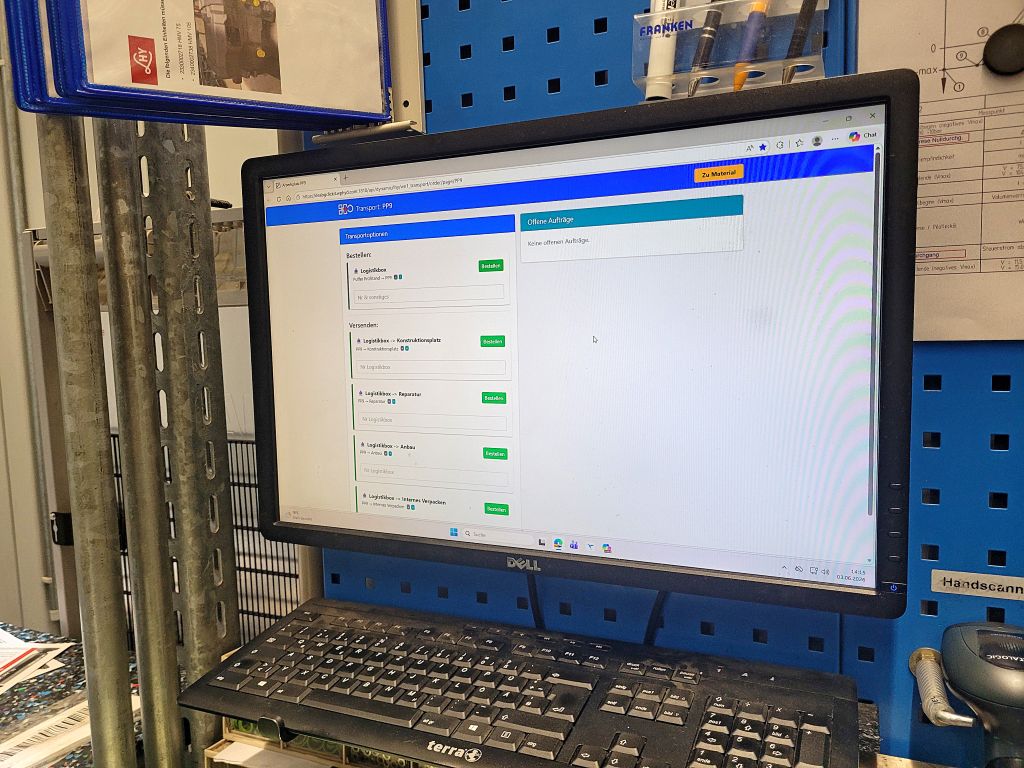
The task in the LHY assembly department was as follows: Primarily, the logistical part of the processes should be digitized. Andreas Schmitt gives an example: 'The employee at the assembly line notices that the O-rings in the storage container are running low and that he needs to order a new box in logistics. Previously, this was done via a note system that fundamentally worked but was error-prone and not transparent enough.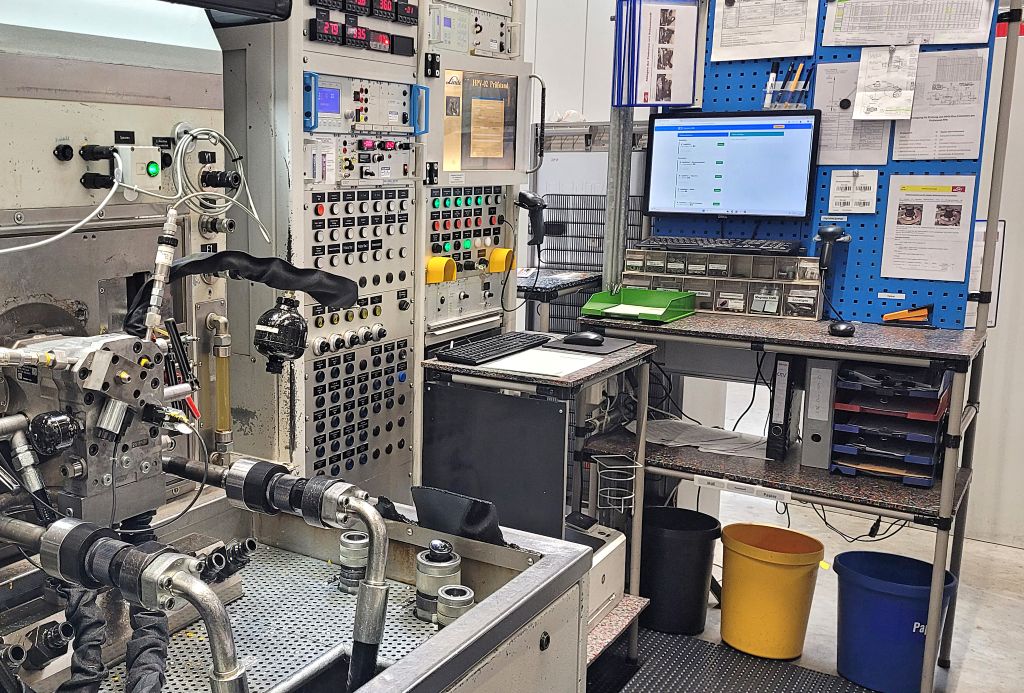
With Click.it, we wanted to achieve better visibility for all parties involved regarding the status of the request.
LHY decided to start with 20 Click.it online licenses. 'This purely software-based solution fits perfectly into our existing environment, as every workstation is already equipped with a computer,' says Marco Politz, who is responsible for the integration and maintenance of the new software solution.
'With our IT infrastructure, with the PCs, web interfaces, and scanners, we can map the new processes organized by Click.it without needing additional specialized hardware.'
According to Marco Politz, the installation and implementation effort was manageable compared to classic production IT projects. He also praises the collaboration with the KNOLL team in this regard: 'We work together on an equal footing and have competent, friendly contacts who take our concerns seriously. When new requirements arise, we work together to find a practical solution.'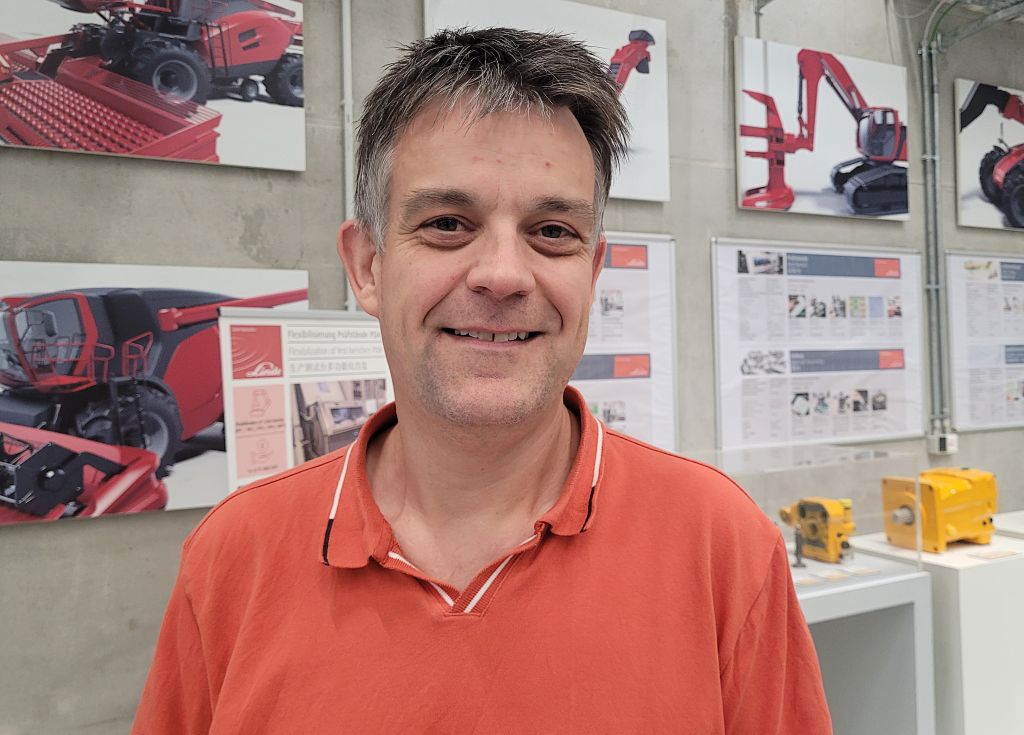
Employees benefit from high transparency
Click.it is a system that allows customer-side programming in addition to the delivered basic configuration. 'We make intensive use of this possibility, as we design the input masks together with the operators according to their needs,' says Marco Politz, who takes on all programming tasks. 'After just a few online training sessions, I was able to create and adjust my own workflows, interfaces, and process logics.'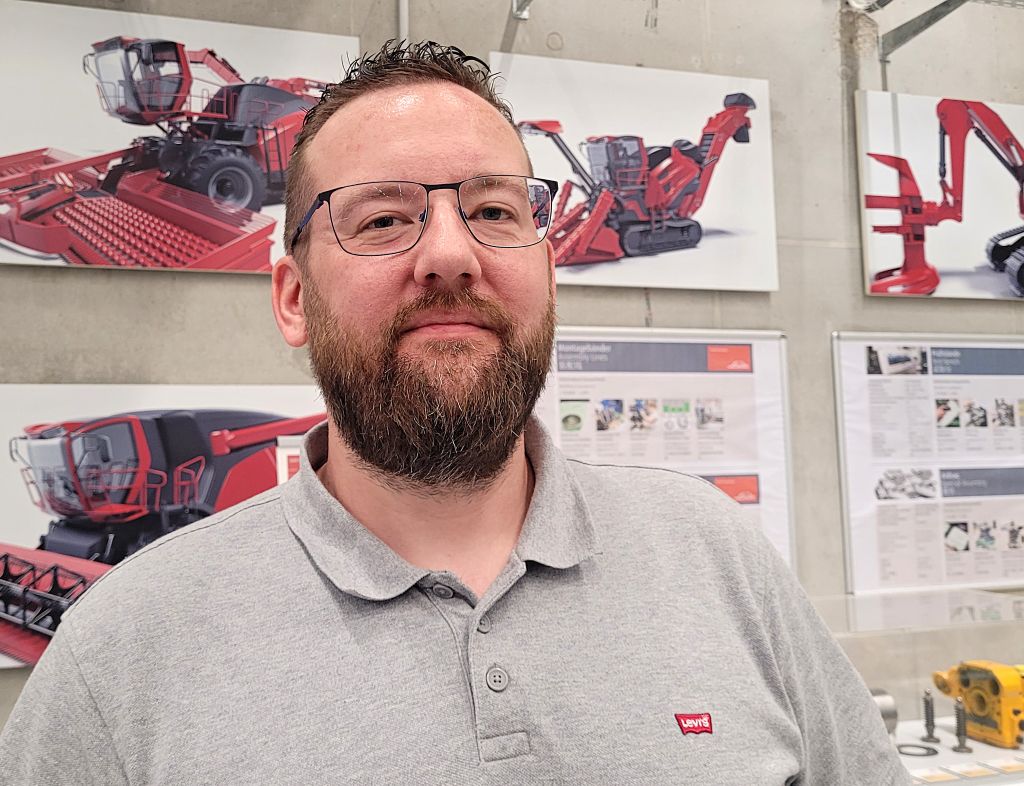
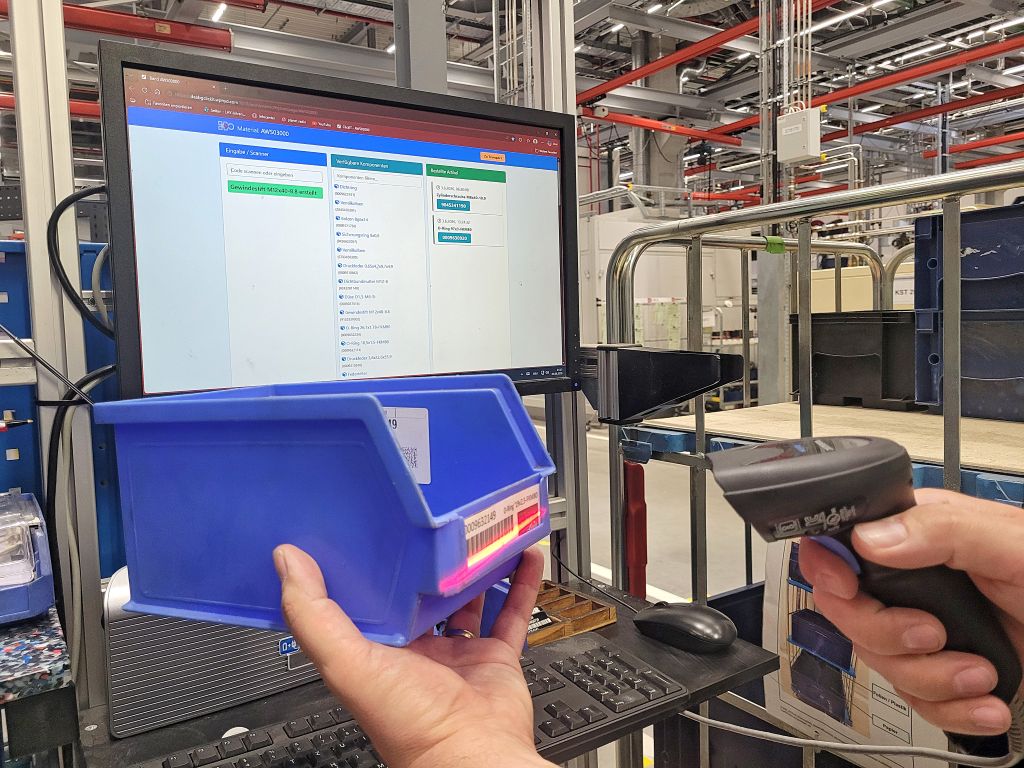
The employees who were involved in the digitization plans from the beginning quickly became enthusiastic about the benefits that arose for them. After all, the screen mask programmed by Politz allows them to simplify the replenishment ordering: They select the required small parts from a list and start the order with a simple click.
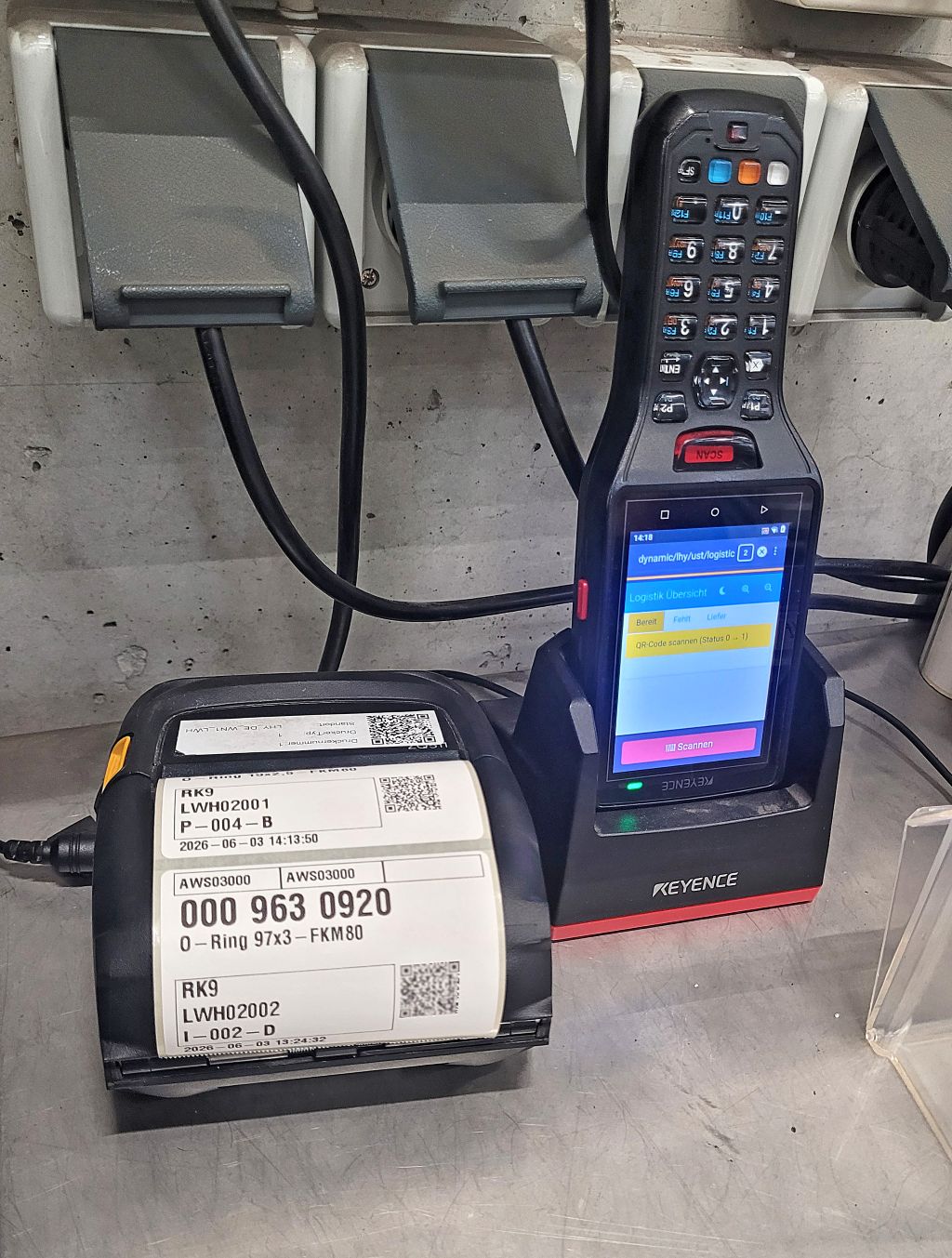
Without significant delay, the order lands in logistics, where a printer generates a label containing all relevant information.
A flow defined by Politz on the Click.it server takes care of this in the background. 'Flow refers to a process sequence that contains various functional modules, for example, the command for printing the label,' explains Click.it expert Markus Zinser.
The label printing then serves as the starting signal for the logistics personnel to prepare the requested material. They complete this process by scanning the QR code on the label. The transport service in the logistics department then receives the order to bring the material to the assembly area. There, another scan takes place, and the order is completed.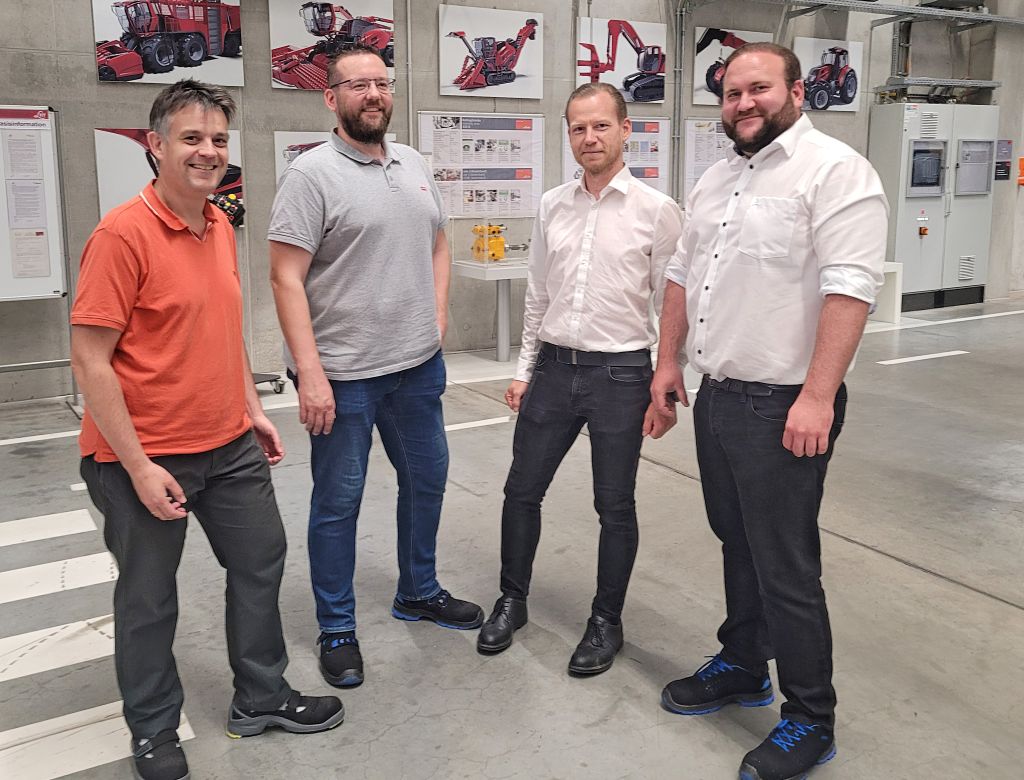
The order status (created, provided, and delivered) can be tracked at any time color-coded on the screen. 'Due to digitization, many paper lists have been eliminated that previously had to be manually maintained, distributed, and kept up to date,' says Andreas Schmitt with pleasure. 'Today there is a digital process that is the same for all parties involved. All information is centrally available.'
Open system offers many design possibilities
Marco Politz is particularly enthusiastic about the high flexibility that Click.it offers: 'It allows us to map various processes. And the longer we work with Click.it, the more ideas we develop for further applications.' He is currently working on expanding the system's use to the provision of packaging materials. The transport of fully assembled hydraulic components to the test stations is also currently being optimized with Click.it.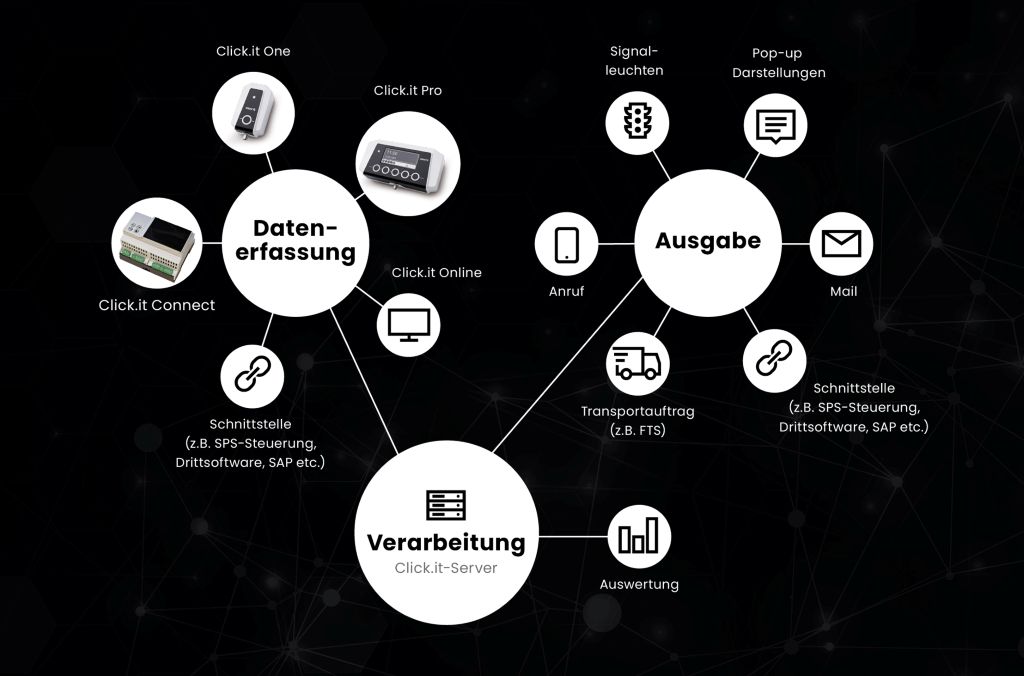
For these tasks, Andreas Schmitt has already ordered an additional 30 licenses. 'We see many more fields of application, for example, in monitoring supply areas or heavy-duty racks, for the use of flexible transport systems, for information dispatch via email or Teams, as well as for evaluations of process times and availability. Click.it will thus serve as a flexible process platform between production, assembly, logistics, and IT systems in the long term.'
Contact: