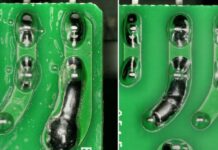
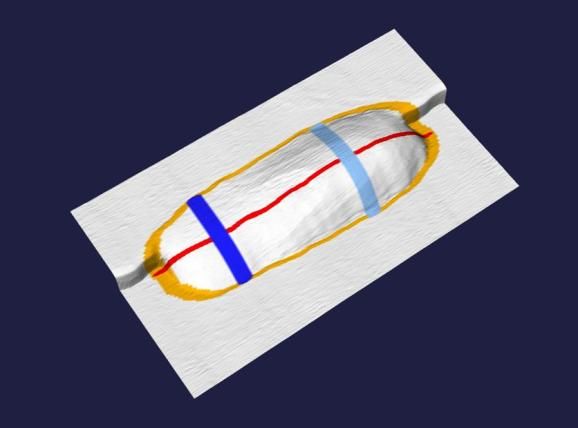
Panasonic expands its TAWERS concept, which combines robot control with integrated control from wire feeding to the welding power source in a single system. One of the highlights is the new Bead Eye M Edition, where 3D scanning meets AI to evaluate the shape of the weld seam and detect deviations caused by voids, spatter, pores, and burn-throughs. Together with welding processes like Twin-Tandem welding, Bead Eye M will be one of the key innovations that Panasonic presents at this year's EuroBLECH trade fair.
Enhanced welding automation and accuracy
Challenges such as inspection fatigue and lack of consistency in the quality of post-weld inspections from one inspector to another can lead to inadequate quality control. Panasonic Bead Eye M addresses this: The solution captures and stores inspection data digitally, thus supporting quality management and traceability and enabling an objective pass/fail assessment through clearly defined limits. This reduces manual inspection processes while simultaneously increasing the consistency and reliability of quality control.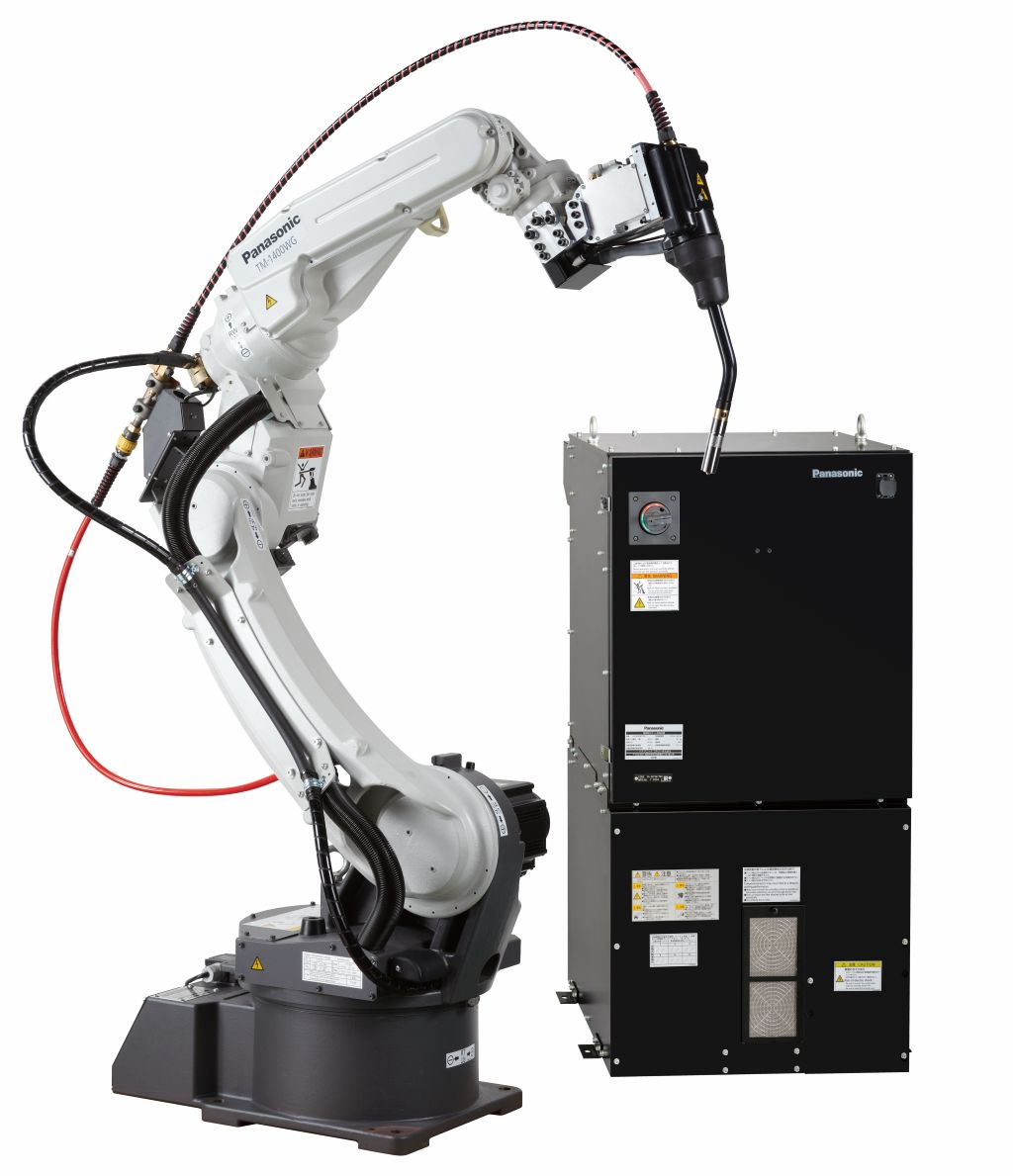
Thanks to AI-supported features, Bead Eye M also significantly simplifies the setup of automated visual inspections. The manual training effort can be reduced by about 90 percent. This is made possible by defining limits for defect characteristics, component dimensions, and weld seam detection. At the same time, the system allows usage across different production lines and product variants, as inspection criteria can be individually defined for each weld seam as needed. The entire setup process, from robot programming to AI-supported inspection, is completed in less than an hour.
At EuroBLECH, Panasonic will also present five live welding applications. These include high-speed twin-tandem robotic welding for steel, aluminum welding using pulse-mix and HD-pulse processes, as well as the EN-AWP4 process for thin, high-strength materials. Visitors can explore the latest Weld Navigation Plus software - a development environment for applications that expand the capabilities of Panasonic's TAWERS The Arc Welding Robot System, including the G4 Robot Controller.
“Manufacturers need to increase production without compromising on welding quality. At the same time, we must counteract the shortage of skilled workers and reduce dependence on manual processes. At EuroBLECH, we demonstrate how Panasonic connects and automates every phase of the welding process – from programming and manufacturing to inspection.” This provides users with a clear and practical path to automation,” explained Tobias Hater, project engineer for robots and welding at Panasonic Connect Europe.
Panasonic at EuroBLECH 2026 in Hall 13, Stand B242
Contact: