
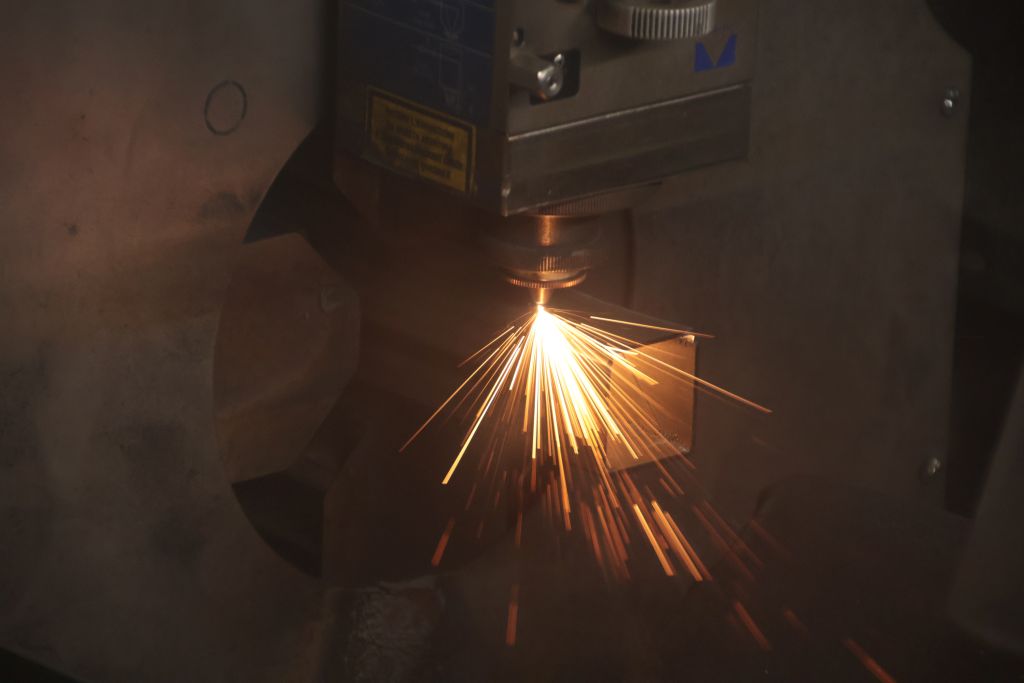
In recent years, metal processing has significantly advanced through the use of laser technology. The focused laser beam melts the metal precisely, enabling accurate cutting and welding. Particularly powerful solid-state lasers have revolutionized the processing of larger material thicknesses that were previously considered unfeasible. This technology has become indispensable in sheet cutting and offers numerous new application possibilities due to its flexibility. Even complex geometries can be economically produced in small quantities.
For many years, laser technology has also been applied in the processing of tubes. With the use of lasers, tubes can be processed in three dimensions, allowing for the creation of a variety of geometries. The processing process begins with placing a tube in the laser cutting machine. Typically, the standard length of the tubes is six meters, a format that most machines can handle without issues. Tube lasers are compatible with round, square, and rectangular tubes and can also be used with adapted clamping tools for special profiles like U-profiles.
In addition to flexible geometry design, tube lasers offer further advantages: They enable the integration of features that improve the product and optimize and simplify subsequent processing steps.
Pioneers of Tube Laser Technology
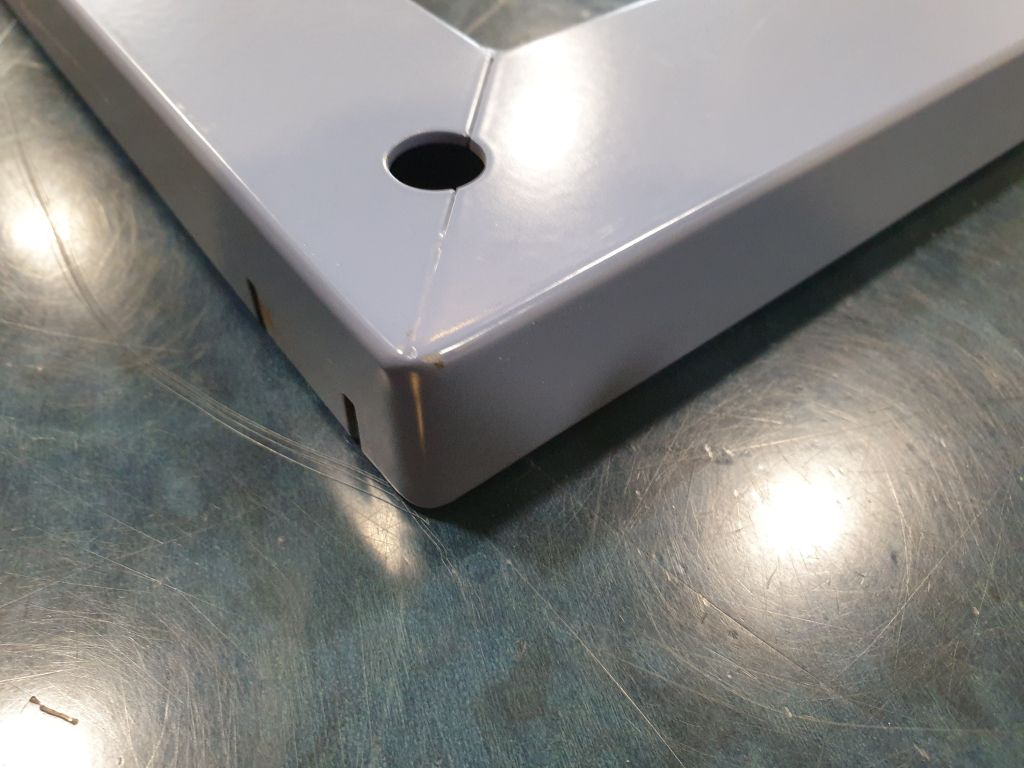
At Metallbau Nick, we are practically pioneers of tube laser technology. The first tube laser was acquired by us in Lampertheim in 2001 and integrated into series production. Especially with complex tube geometries, the company was able to benefit from the advantages early on. A crucial factor for the successful application of tube laser technology is the direct integration of cutting technology into the design. However, it often becomes apparent that many design departments do not fully exploit the potential of this technology.
As an experienced supplier, we see it as our duty and a central task to inform customers about the advantages of tube laser-compatible design.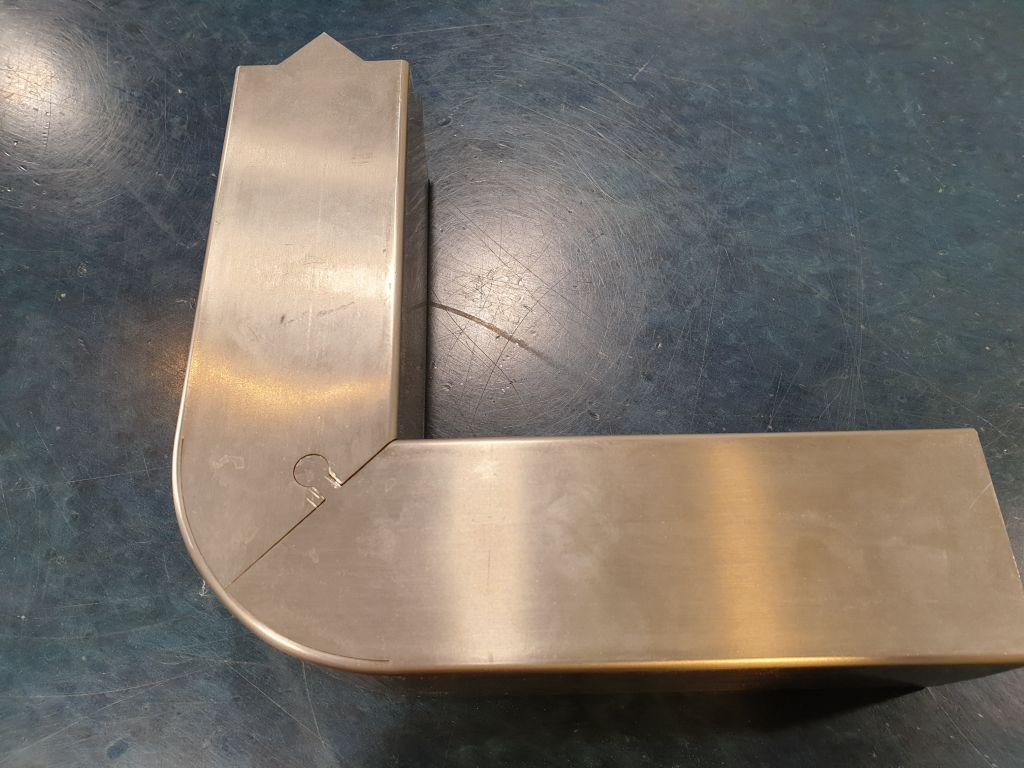
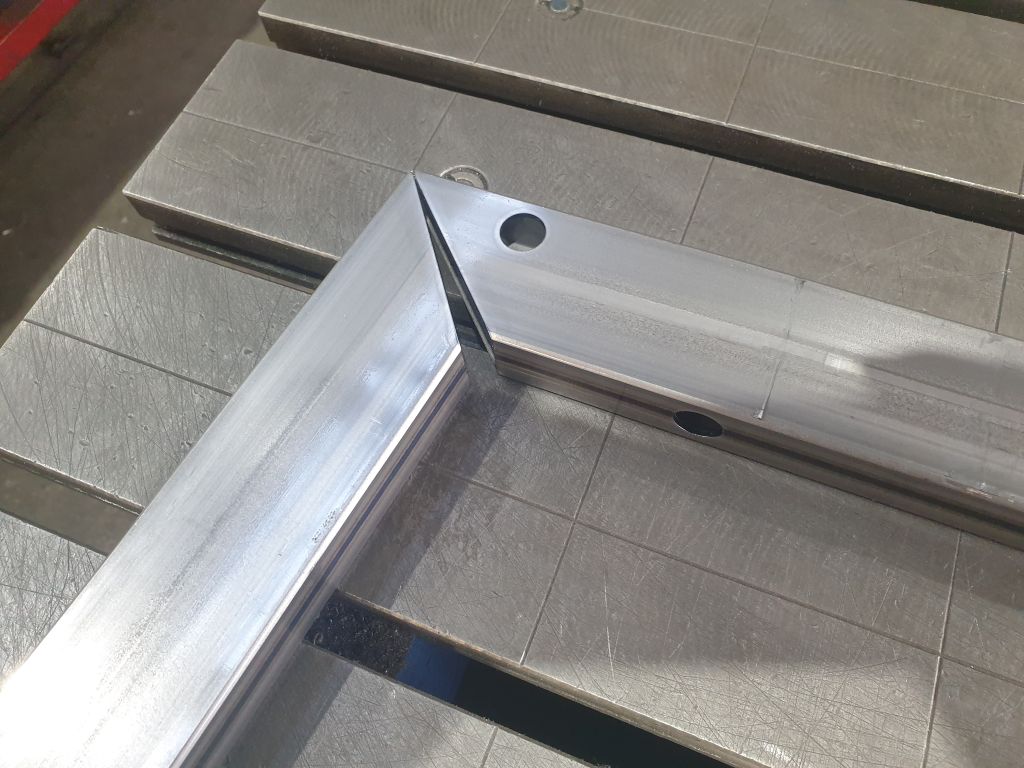
A clear example of optimization potential is the production of an L-shaped component from a piece of tube. Traditionally, this would be made from two miter-cut parts and then welded together. With tube laser technology, however, a so-called knuckle-cut component can be produced. This has positioning aids and is simply bent, significantly reducing the welding effort. Since the component is made from a single piece, stability is maintained while production time can be reduced by about 49 percent and costs by approximately 31 percent.
Knuckle Cuts – Efficient Alternative to Miter Cut Technique
Many applications still rely on the classic miter cut technique. In this process, tubes are first sawed into individual segments and then welded into a frame. This requires precise positioning and additional processing steps. The tube laser offers a more efficient alternative: instead of assembling four individual parts, the frame is already manufactured as a single piece. Specific cutouts in the tube structure allow the component to be bent at these points by 90°. This technique eliminates the laborious positioning of individual parts, as the workpiece maintains a continuous structure. Additionally, a complete circumferential weld can often be omitted, as a simple fillet weld is sufficient.
Another advantage of the tube laser is the ability to incorporate holes or openings in almost any desired shape during the cutting phase. This eliminates additional work steps on separate machines, saving both time and costs.
Positioning Aids and Connecting Elements
The flexibility of the tube laser allows for the incorporation of individual positioning aids. These range from simple engravings for visual support during assembly to complex bayonet or puzzle connectors that fit components together seamlessly. Such connections not only facilitate assembly but also significantly minimize sources of error. Through targeted geometric design, it can be ensured that components only fit together in the correct orientation. This reduces the error rate and ultimately increases process reliability.
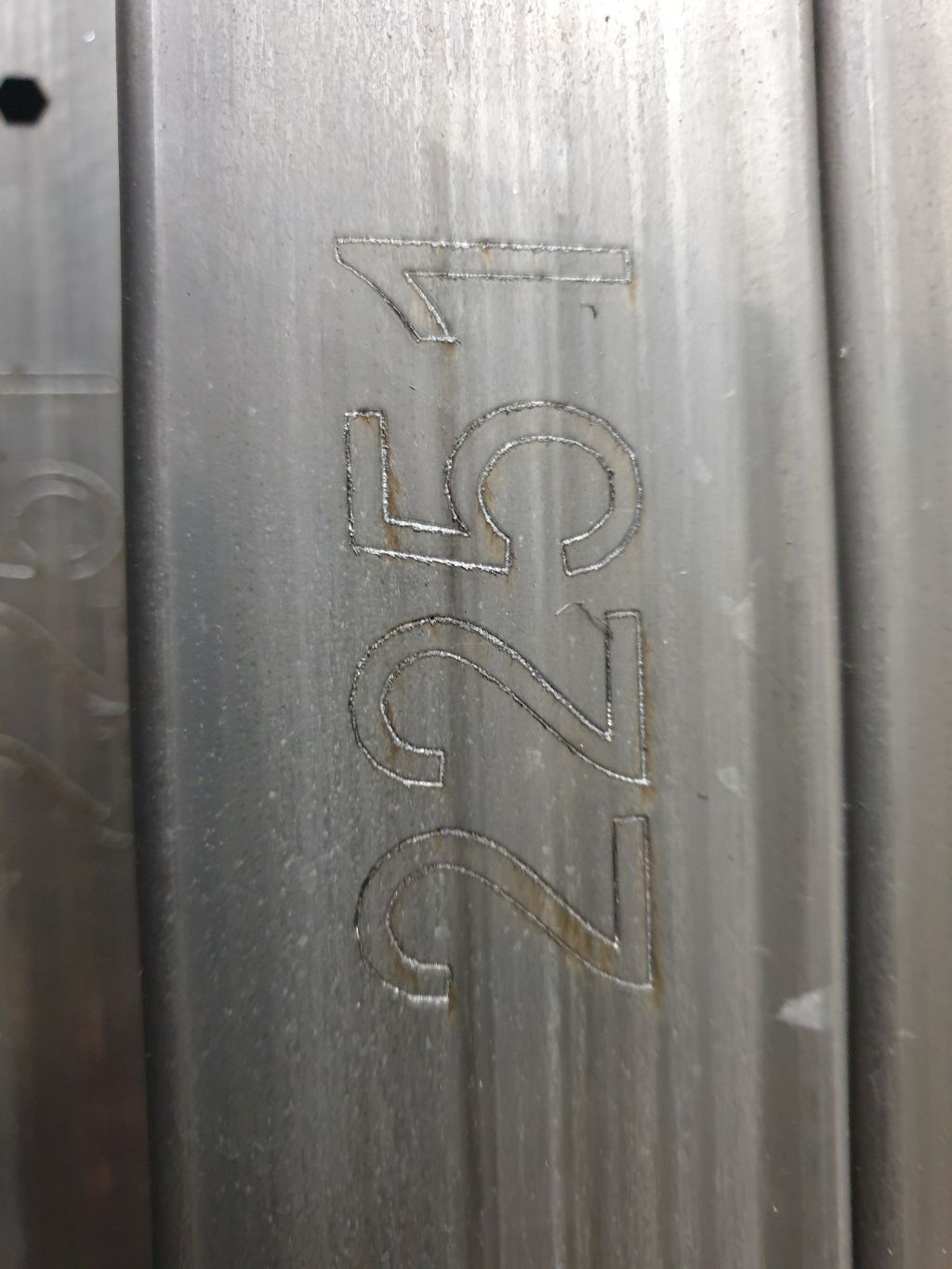
Additionally, using tube laser technology, identification features such as part numbers, manufacturing instructions, or location indicators can be directly engraved onto the components. This facilitates further processing and ensures seamless documentation in the manufacturing process.
Conclusion: Efficiency Increase Through Modern Tube Laser Technology

The use of tube lasers in manufacturing opens up numerous new possibilities for the economical and precise production of components. However, crucial for maximum efficiency is the early consideration of the technology already in the design phase. Companies benefit from close collaboration with manufacturing partners who have many years of experience in tube laser processing. The combination of technological know-how and optimized manufacturing processes leads to a significant reduction in production times and costs – a decisive competitive advantage for innovative metal processing.
Contact: