
With Tebis 4.1 Release 11, Tebis continues its consistent development towards performance, process reliability, and user-friendliness. The update addresses central requirements of industrial manufacturing: handling large amounts of data, increasing automation, and high process reliability.
The focus of the release is on ultra-fast tool search, expanded testing mechanisms for robotic processing, and a newly available automatic collision avoidance for laser processes.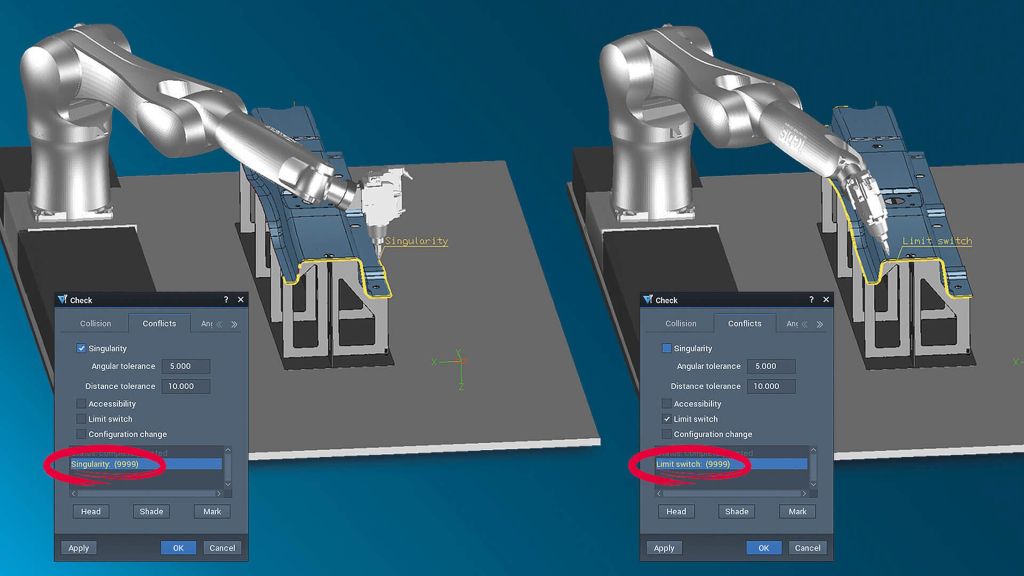
Significantly faster work with large data sets
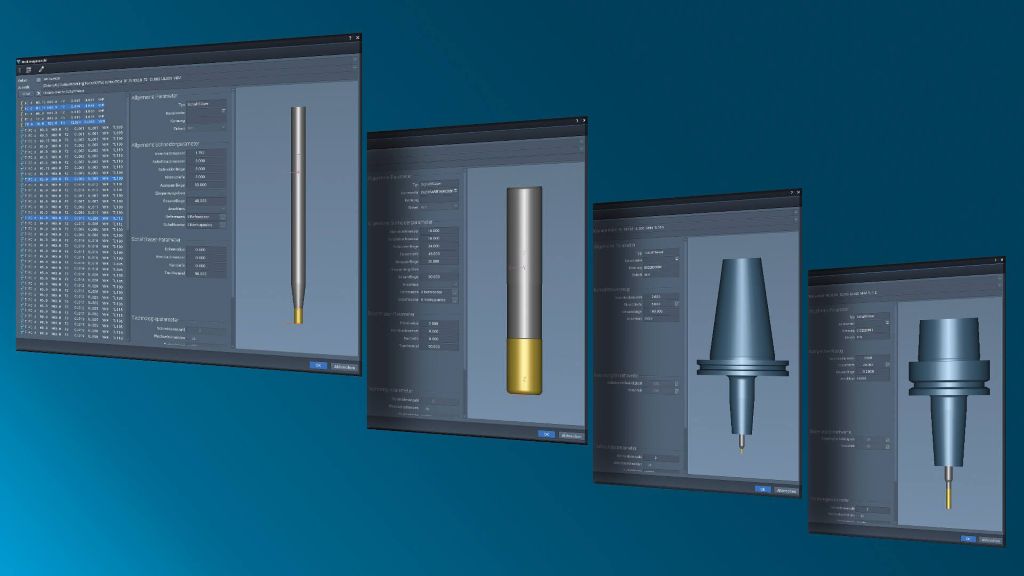
One of the central developments concerns system performance. Loading times, search processes, and interactions have been optimized in several core areas. The new tool search delivers immediate results – even with very large data sets, such as in combination with Zoller TMS and externally managed Tebis tool libraries.
Search criteria can be flexibly chosen, for example by characteristics such as diameter or clamping length, by tool type, or by free search strings.
The advantages at a glance
- Shorter search and loading times
- Smoother workflow even in large projects
- Improved transparency and data control
Optimized robotic processing
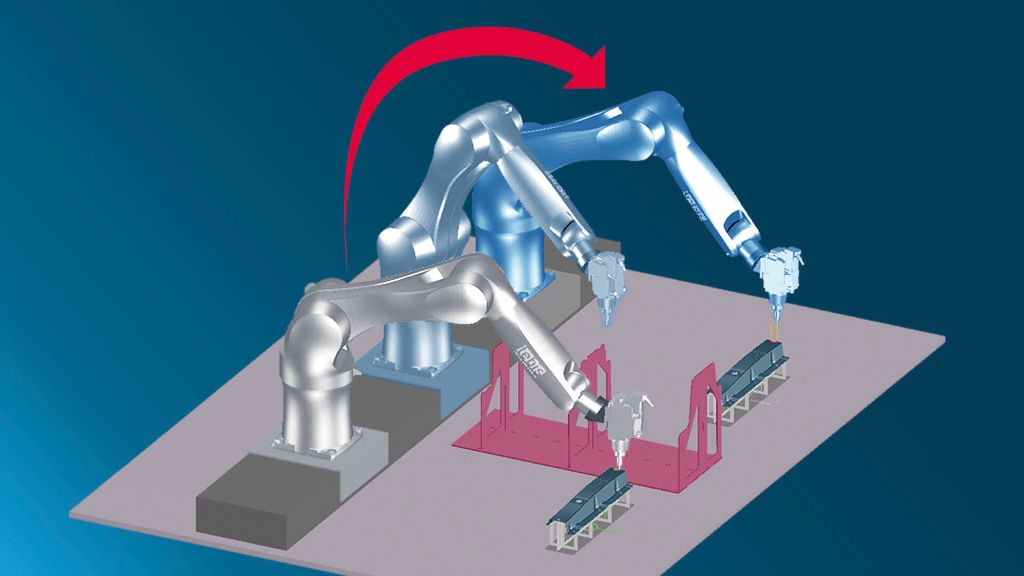
The programming and simulation of robots with up to eight axes including additional axes has been extensively modernized. Users benefit from the consistent Tebis platform. All manufacturing technologies – on classic machining centers as well as on robots – are programmed in a common CAD/CAM simulation environment.
Exact digital twins ensure that exactly what was previously calculated, interactively adjusted, and simulated is executed in manufacturing. This proven process reliability forms the basis for the new extensions in robotic processing.
Early conflict detection during calculation
Robot-specific conflicts such as singularities, limit switches, or difficult positioning areas are now identified directly during the tool path calculation. All conflicts are visualized in the model and can be corrected interactively immediately.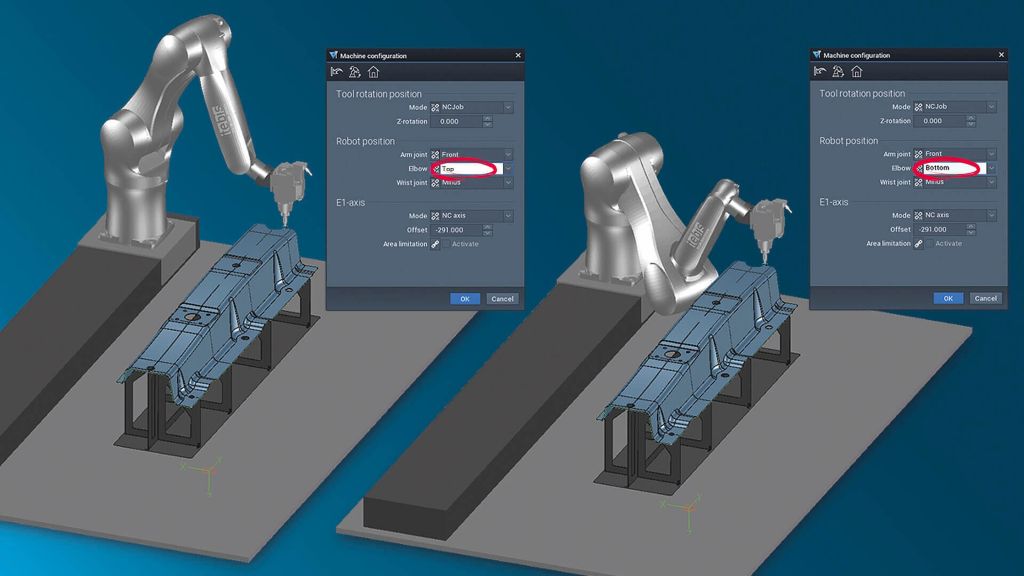
Extended simulation: testing all movements
The simulation has also been expanded: in addition to the actual tool paths, all connection and positioning movements as well as tool changes are now fully tested. The virtual manufacturing environment thus represents the real process even more accurately.
Flexible positioning of all axes
Tool axes, robot positions, and additional axes can now be positioned and combined very flexibly. New algorithms create more harmonious motion sequences and ensure optimal results even with complex processes. Collision-free NC programs for robots can thus be generated even faster and more securely.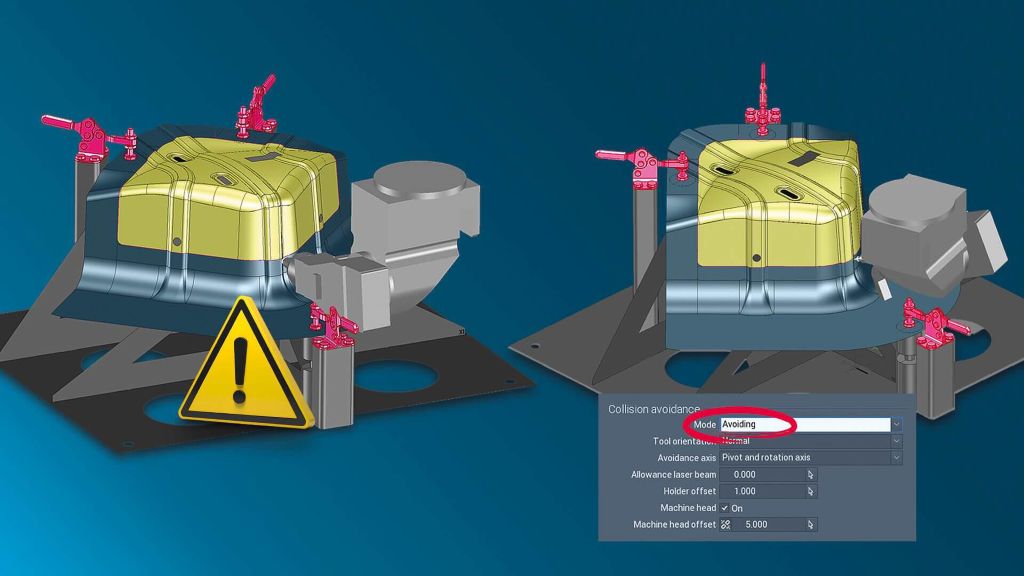
The advantages at a glance
- Even more safety through early conflict detection and complete testing of all movements
- Flexibly position robots and additional axes
- Quickly and understandably resolve conflicts interactively
Safe laser processing – automatic collision avoidance available
With Release 11, automatic collision avoidance is now also available for laser processes – such as laser cutting and laser cladding. The machine head is fully considered. Critical points are reliably detected and safely circumvented, significantly reducing manual adjustments.
If no safe evasive movement is possible, the system marks the affected areas directly in the CAD model. This allows for precise assessment and safe, flexible reworking.
The advantages at a glance
- Maximum safety in laser processing
- Significantly reduced manual effort
- Better overview of critical geometry sections
- Automatic and manual corrections can be flexibly combined
Contact: