With the new project 'Degradation-Adapted Magnesium Implants', the institute is developing innovative approaches to make implants even safer and more effective. The German Research Foundation (DFG) is funding the project, enabling a targeted further development of resorbable implants.
Targeted Adjustment of Degradation Behavior to Healing
The goal of the project is to precisely adjust the degradation behavior of magnesium implants to the healing processes of the human body. 'We are working to control the degradation behavior so that implants remain stable for exactly as long as they are needed for healing,' explains IFW employee Beate Legutko. 'This increases patient safety and can avoid additional surgeries.'
Magnesium Implants in Fracture Healing
Magnesium implants are particularly used in the treatment of bone fractures. Their advantage: they dissolve in the body and usually do not need to be surgically removed. The right timing is crucial. If the implants degrade too quickly, the necessary stability for the healing process is lacking. Conversely, if the degradation is too slow, a so-called stress shielding effect can occur – the bone is relieved and thus weakened.
Manufacturing Technology as the Key
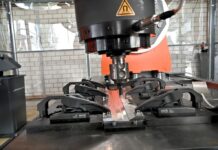
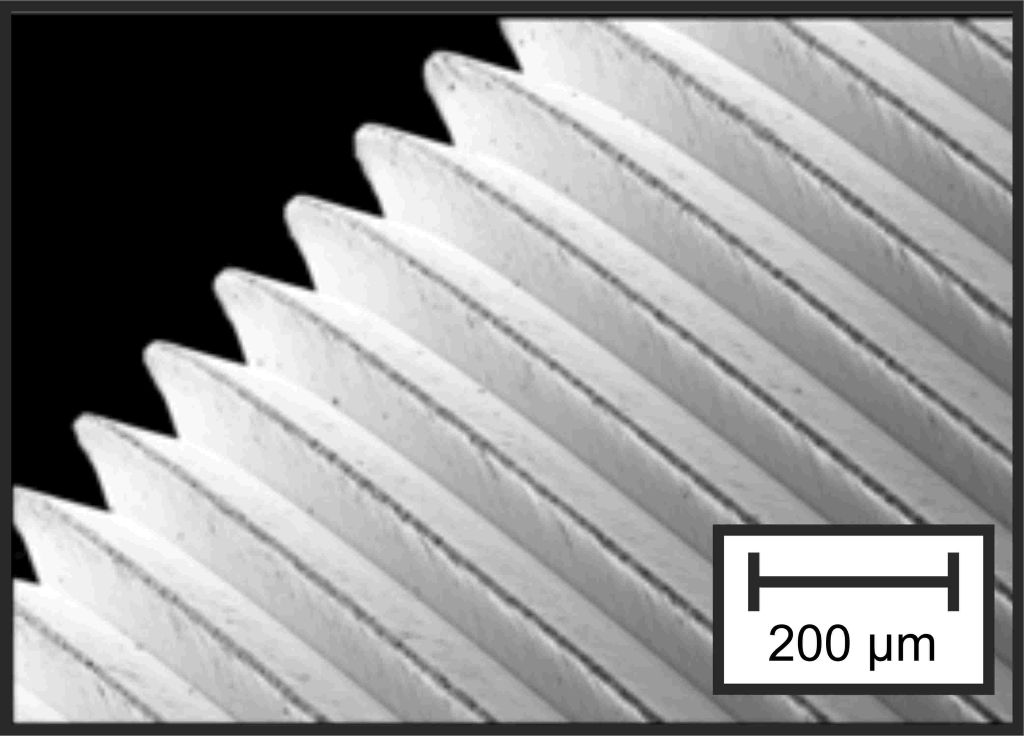
This is exactly where the IFW comes in. Researchers are investigating how manufacturing processes influence the surface and edge zone properties of magnesium implants – and thus their degradation behavior. Mechanical stress and surface structure play a central role in how quickly the material decomposes in the body.
Optimized Implants for Increased Patient Safety
The goal: implants whose properties can be specifically adjusted so that they optimally adapt to the individual healing process. The insights gained are intended to serve as a basis for the development of customized implants in the future and to sustainably improve patient care.
With the project, the IFW connects medical requirements, modern manufacturing technologies, and practical applications – thus making an important contribution to the future of implant research.
Contact: