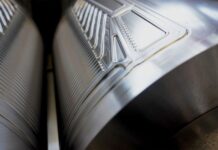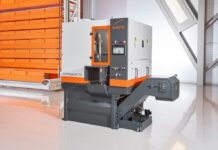

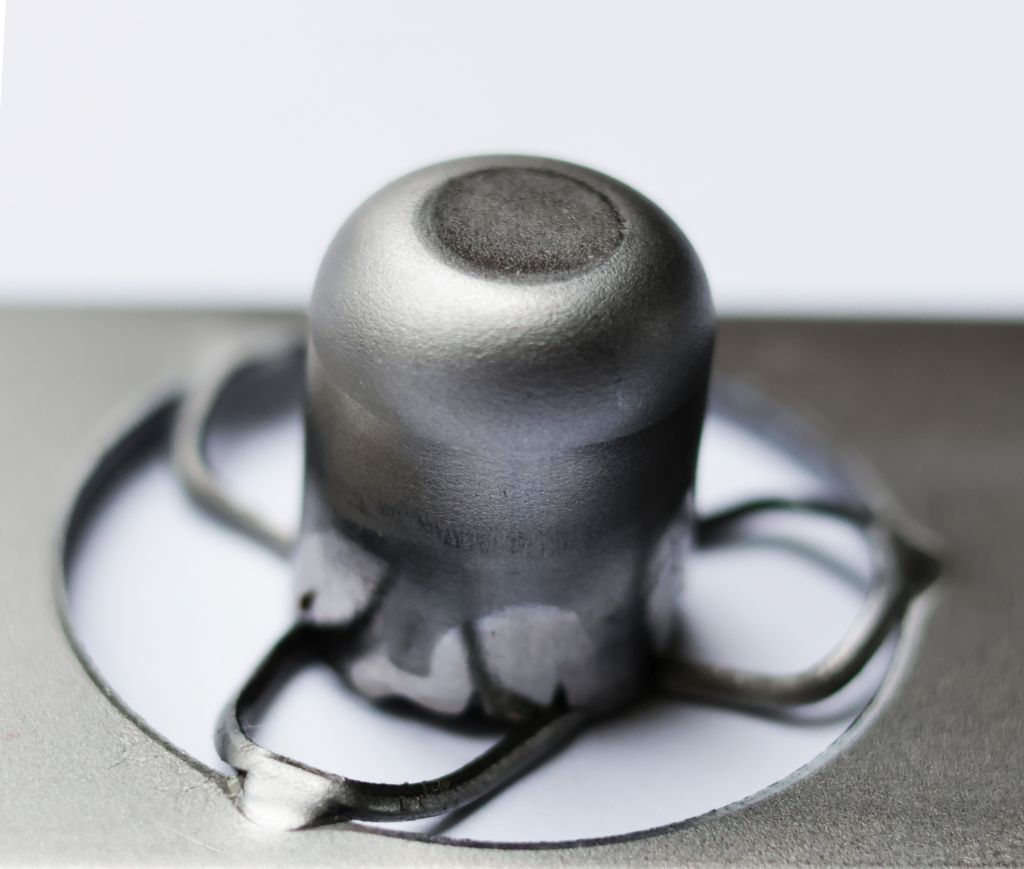
They can be found in many household appliances, in building technology, and in countless pipes and hydraulic lines: small, cylindrical parts that are manufactured in deep drawing processes. During the forming process, the material is heavily stressed, which can lead to unwanted thinning, surface damage, and even cracks. Ultrasonic vibrations help reduce friction in the material and in contact with the tools significantly.
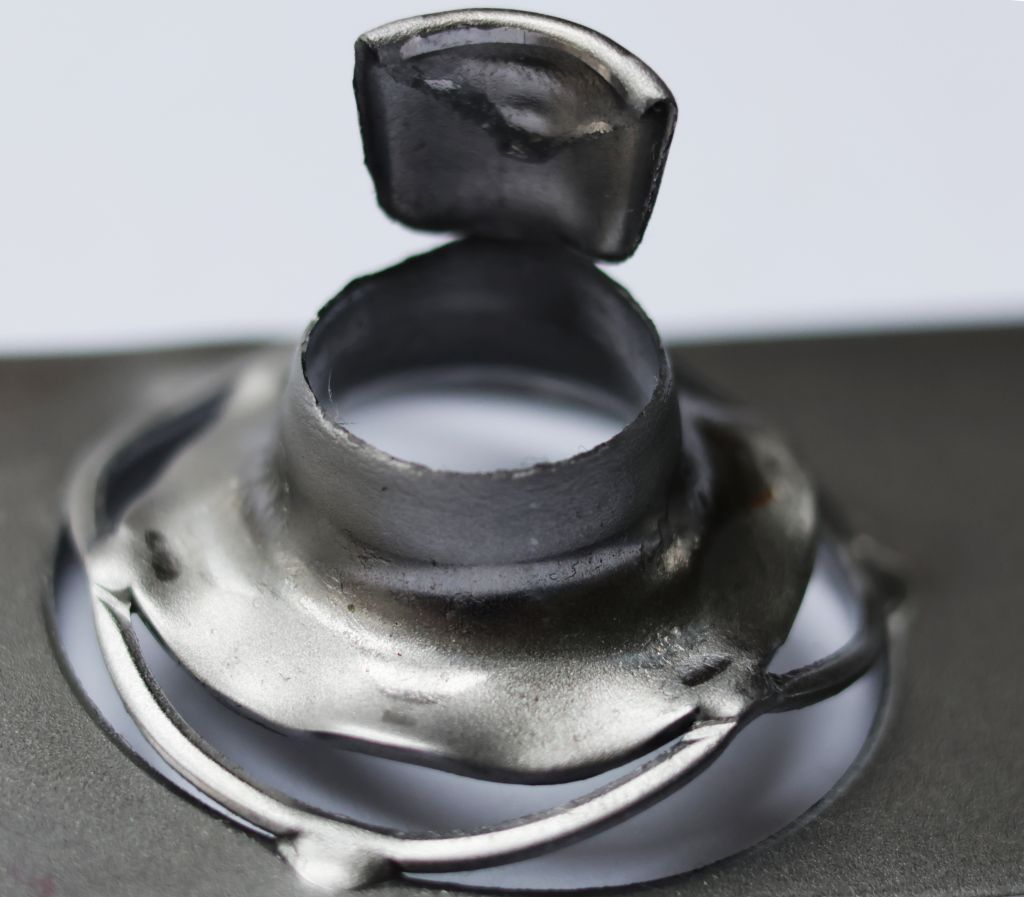
It has been known for some time that ultrasound can reduce friction during deep drawing, thereby preserving both tools and materials. The energy-saving potential resulting from the lower forces is something that manufacturers of pipes and fittings (connection materials) would like to utilize. However, it was only the team led by M.Sc. Martin Mädlow that succeeded in mastering the typical sudden loads in industrial forming processes. Until now, effective use of ultrasound was only achieved in nearly static laboratory setups.
At least 20 percent less friction
For the vibration excitation, the active tool parts such as the punch and die, as well as the blank holder that keeps the sheet in the desired position during forming, are suitable. The researchers chose the die; it has the largest share of the relative movement during forming. 'There is the most to gain in the die. We have already achieved a 20 percent reduction in friction, but we definitely see further potential,' emphasizes Mädlow.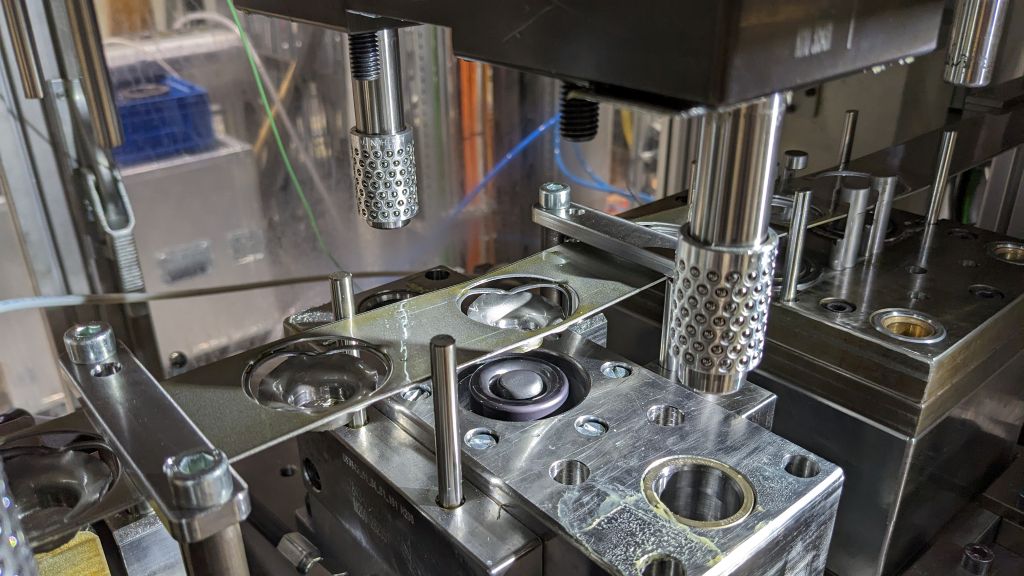
Regulated by the process force transferable from the workpiece, the forming usually occurs in a sequence of several stages. With reduced friction, it is possible to draw deeper in a single stage without damaging the material. For example, two conventional forming steps are sufficient instead of three. Reduced friction also means less heat input, allowing for higher stroke rates, extending tool life, and preventing the coking of the lubricants used.
Transfer to practice, benefits for electromobility, patent application
To ensure a swift transfer into practical application, the Fraunhofer IWU is now further advancing its activities. Currently, the focus is on ultrasonic deep drawing of cell housings needed in high-voltage storage systems for battery electric vehicles. The goal is larger cell formats that better utilize the installation space and provide higher ranges thanks to increased energy density. The patent application for VibroDraw (EPA WO2025/012830 A1) has already been submitted.
Successful model: VibroCut
A model for transferring vibration excitation to deep drawing processes is a spin-off from the Fraunhofer IWU: VibroCut relies on vibrations in machining processes to reduce machining forces and tool wear.
Contact: