

The permanent readability is just one part of the requirements for industrial markings. Equally relevant is the influence of the chosen marking method on manufacturing processes, quality assurance, and traceability. Whether a method proves itself in the long term and provides added value is not determined solely by the marking itself, but in the context of the overall process.
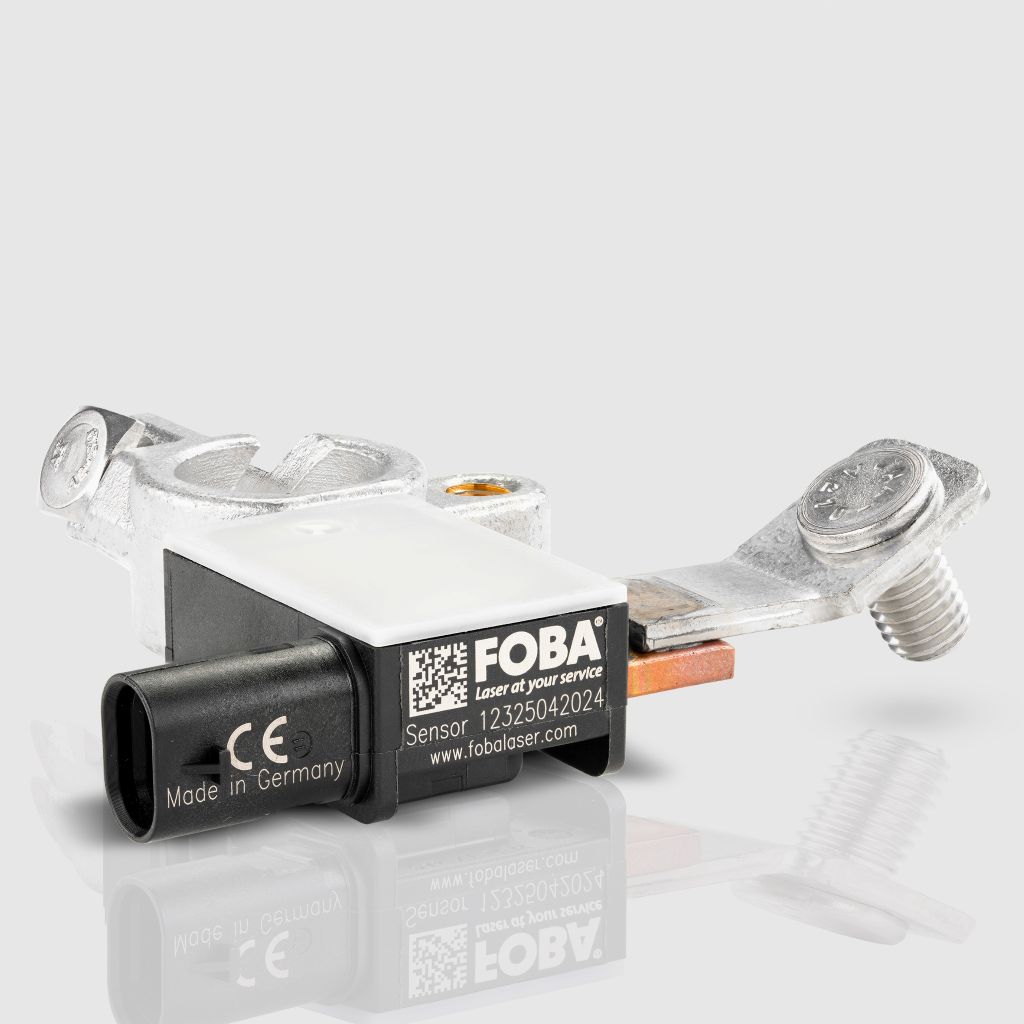
A case study from electronics manufacturing illustrates how the choice of marking method can affect everyday production: In a production line for sensor housings, the marked data matrix codes can no longer be read continuously at a testing station. Individual parts must be manually checked or removed from the process, increasing effort and delaying production. The root cause analysis reveals: It is not the scanner that is the problem, but the marking itself. The code, which was applied using an ink-based method, loses contrast along the process chain due to cleaning steps and mechanical stress.
Similar situations occur across industries – from medical technology to automotive electronics. They make it clear that marking cannot be viewed in isolation but must be understood as an integral part of the entire manufacturing process. The marking influences whether automated production steps and inspections run stably and whether products are reliably traceable. 'What matters is not the readability immediately after marking, but its stability throughout the entire process chain and beyond – for products subject to regulatory requirements, even over the entire product lifecycle,' summarizes Damian Zawadzki, Product & Application Manager at FOBA.
Ink and pad printing as well as labeling are established and economical solutions in many applications. They offer advantages for specific color and design requirements or extremely high line speeds, as in the beverage industry. However, they also encounter limitations, as the marking is created by applying an additional layer. Influences such as cleaning, abrasion from handling, UV radiation, or temperature fluctuations directly affect this layer – and thus contrast and readability.
When the process is considered: Workflow instead of individual steps
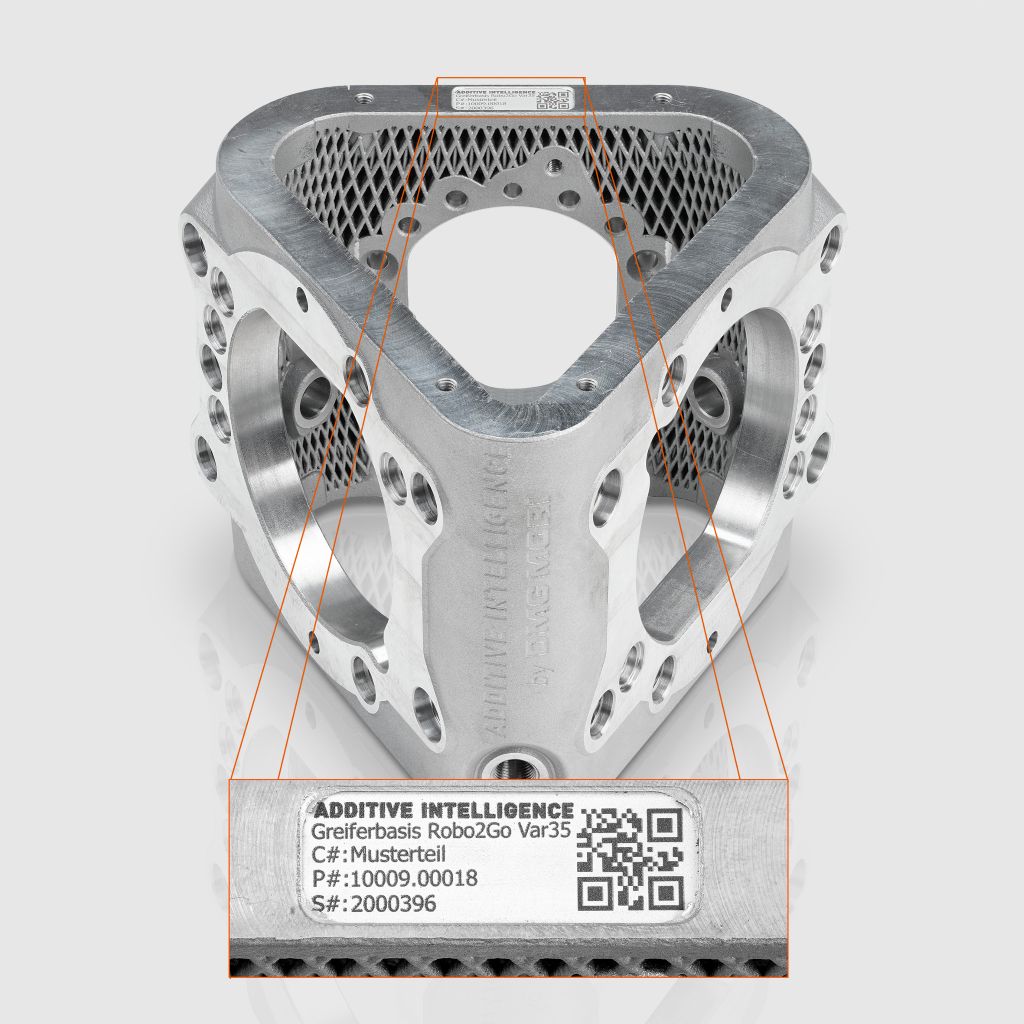
In this context, laser technology for Direct Part Marking (DPM) is gaining importance, especially in medical technology, electronics, and the automotive industry: In laser marking, the marking is not applied but generated directly in the material, for example, through annealing marking on metals or color change in plastics.
Modern laser systems enable precise and material-friendly marking for demanding applications, as Damian Zawadzki confirms: 'In our application laboratories, we test many different products for our customers every day.'
The advancement of laser technology today allows even sensitive materials to be marked with high contrast and minimal heat input. In addition to the laser source, the precise selection of parameters is crucial for marking quality. Especially with technical plastics, such as those used in sensor housings or connectors, new UV lasers open up the possibility of generating high-contrast codes even on low-absorption or dark surfaces.
The differences from ink and label-based methods lie not only in the way the marking is created but also in the process approach: Laser marking is implemented at FOBA as part of a continuous workflow – with automatic positioning, verification, and data traceability.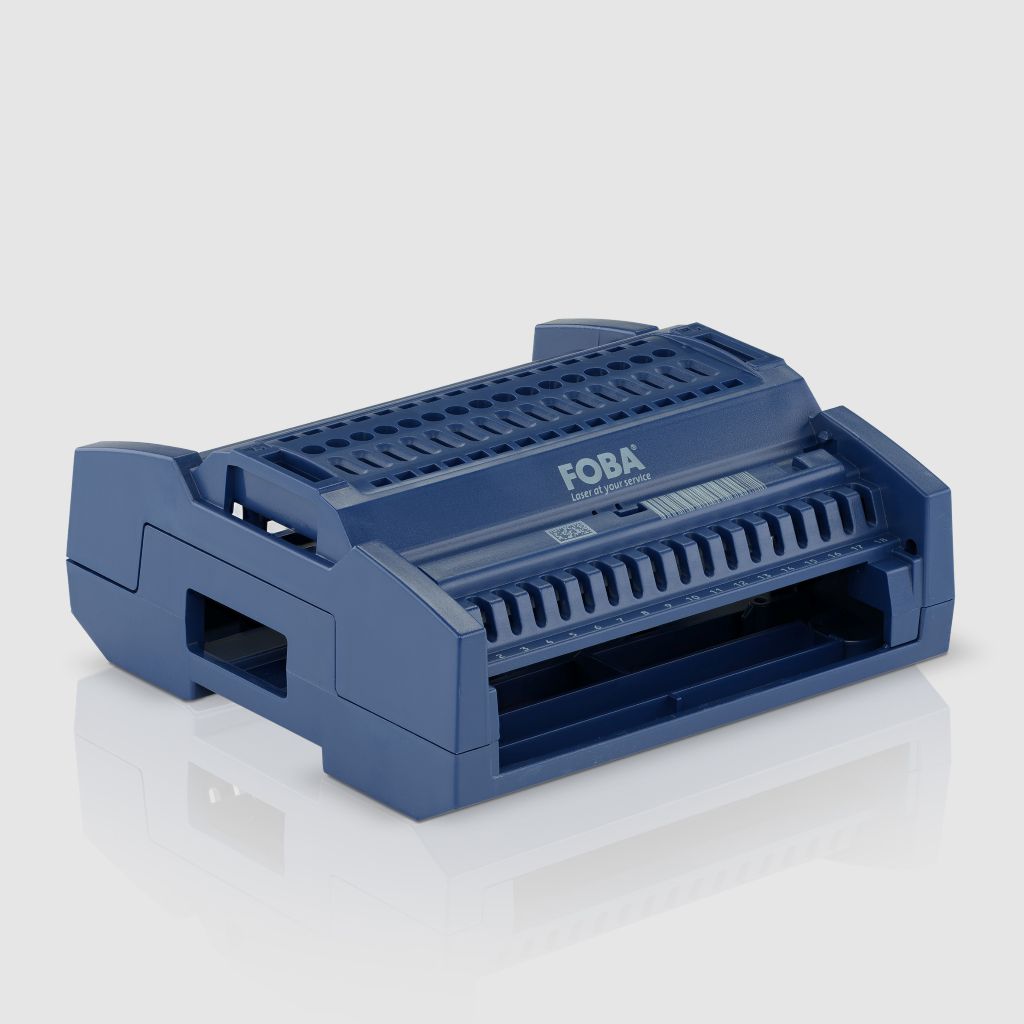
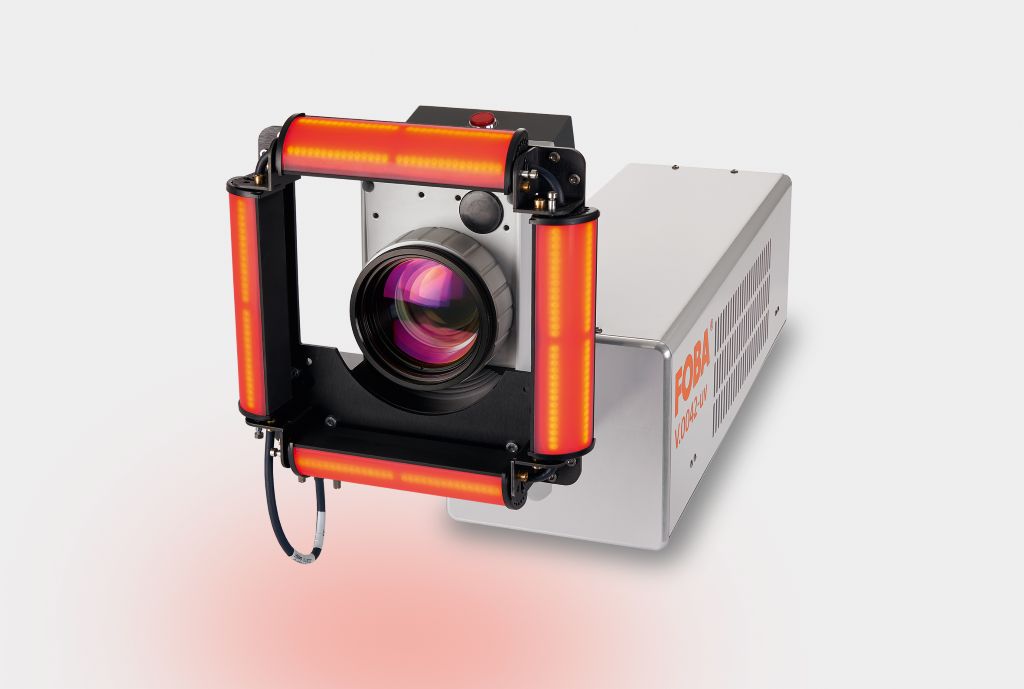
In practice, this means: Components are accurately captured with a vision system, marking contents are aligned with high precision, and immediately checked after marking. The camera system and the software MarkUS compensate for tolerances and monitor quality criteria during operation. Particularly relevant for the stability of this automated process is the integration of the camera system directly into the laser head. 'You can imagine that the camera looks at the product to be marked together with the laser beam. This avoids distortions and achieves extremely high reliability,' explains laser expert Zawadzki. The operation is particularly user-friendly, as the laser and camera are controlled via the same software interface.
Is switching to laser marking worthwhile?
Switching to laser marking pays off when considering the entire process: A holistically designed marking workflow, like the FOBA workflow described above, has a positive impact on manufacturing. The readability of the marking remains stable, manual interventions are reduced, and scrap decreases. At the same time, traceability improves through automated capture, inspection, and processing of marking data. Companies benefit not only from reliable marking but also from a robust data basis for traceability requirements throughout the entire product lifecycle.
Additionally, ongoing savings arise: Not only do follow-up costs decrease due to less rework, less unplanned downtime, and more stable inspection processes. Consumables, replenishment processes, maintenance efforts, and drying times are also eliminated, which has additional positive effects on the sustainability balance.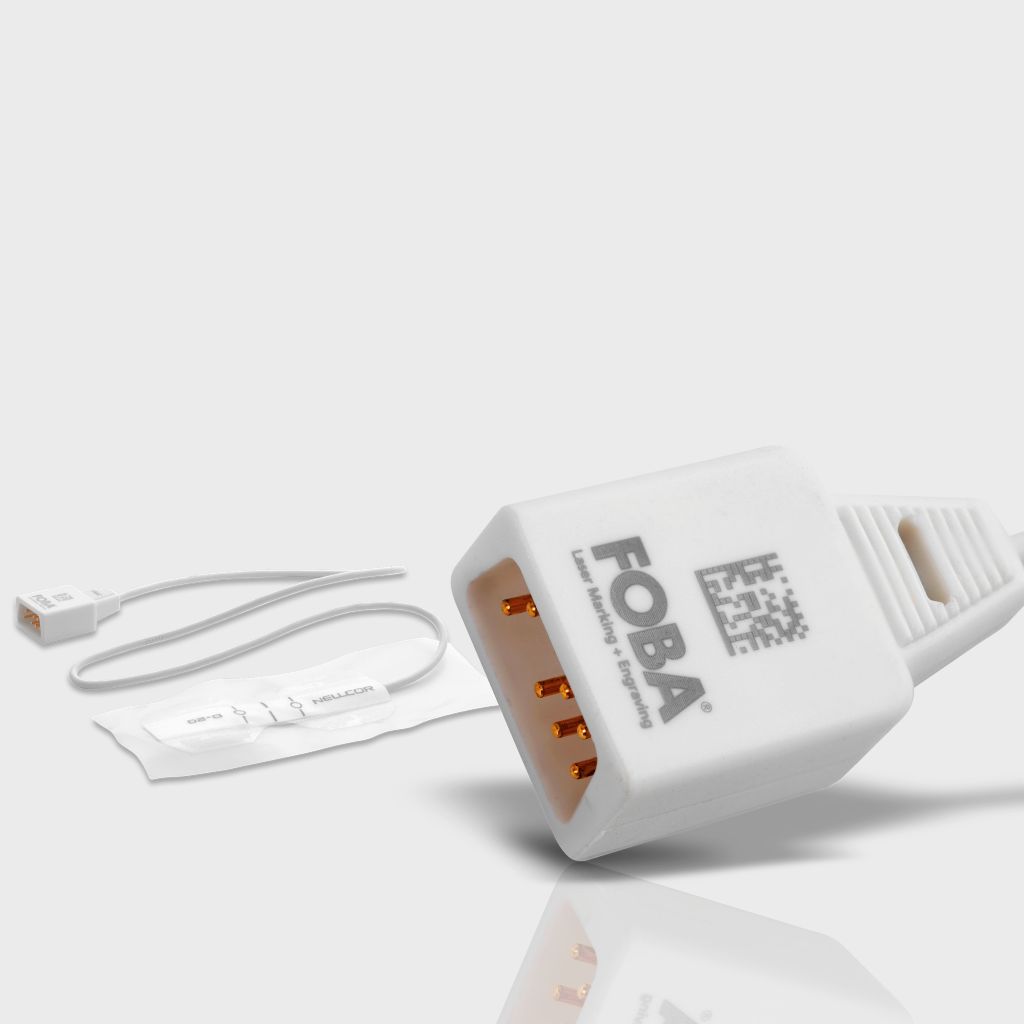
A technology switch is often initially evaluated from a cost perspective. In fact, the initial investment for laser marking is higher in many cases than for traditional printing solutions. However, those who look at the bigger picture come to a different conclusion: 'Laser marking is often underestimated because it initially appears more expensive,' confirms Zawadzki. 'In practice, it becomes clear that it brings advantages especially where processes need to run stably and marking is a critical factor.'
Decision with process perspective
The choice of marking method is a process decision with consequences for quality, cost-effectiveness, sustainability, and future viability of the entire production. The example of the sensor housing clearly shows how quickly marking can become a limiting factor in manufacturing from a seemingly simple step.
The question of whether switching to laser marking is worthwhile cannot be answered solely by investment costs. Printing and label-based methods remain a sensible choice for many applications. However, as soon as marking becomes a critical component of process quality – because, for example, components need to be permanently traceable, codes need to be reliably readable, and processes need to be stable – laser technology offers decisive advantages.
For companies considering this step, a structured approach is recommended: First, the actual requirements should be clearly defined – not only regarding marking quality but also concerning process stability, automation, and regulatory requirements. Based on this, existing methods can be specifically evaluated: Where do they function reliably? Where do weaknesses appear in the process or over the usage duration?
Before a changeover, it is advisable to conduct tests under real conditions, meaning with application tests on original components and taking into account the entire process chain. Only in this way can it be assessed whether a new method actually achieves the required stability.
Contact: