
New SMT platform, automated material supply, and open ecosystem address the central challenge of the industry: operationalizing digital strategies
Industrial manufacturing has defined its target images: connected, data-driven, flexible. However, there remains a gap in many companies between strategic vision and operational reality. Panasonic Factory Solutions addresses this critical point and focuses on the concrete implementation of autonomous manufacturing.
"Autonomous manufacturing is a production environment that continuously responds to changes and optimizes itself based on integrated data, connected systems, and intelligent decisions," says Yo Hayashi, Manager Global Accounts at Panasonic Factory Solutions Europe.
Execution as a Differentiation Factor in Industrial Transformation
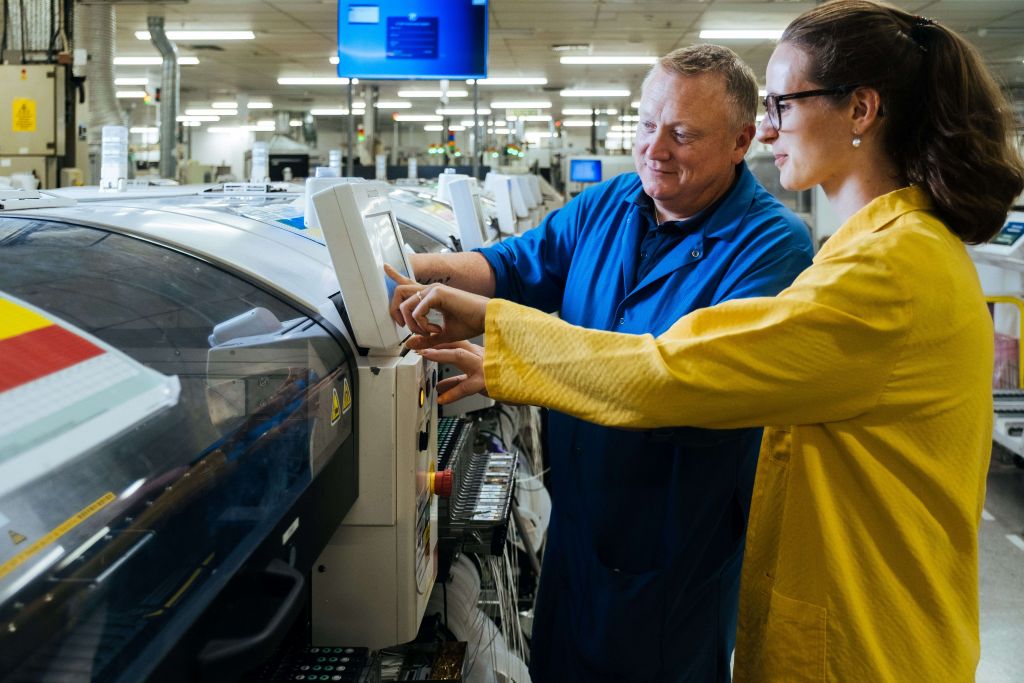
While many initiatives remain at the conceptual and strategic level, Panasonic Factory Solutions specifically focuses on operational implementation on the shop floor. Realizing autonomous manufacturing means translating corporate goals directly into production processes through seamless data flows, automated processes, and a close integration of machines, software, and services.
The approach goes beyond classic automation: production systems should not only work more efficiently but also be able to adapt in real-time to changes in demand, material availability, or production conditions.
NPM-G Series: Integrated SMT Platform for Adaptive Production
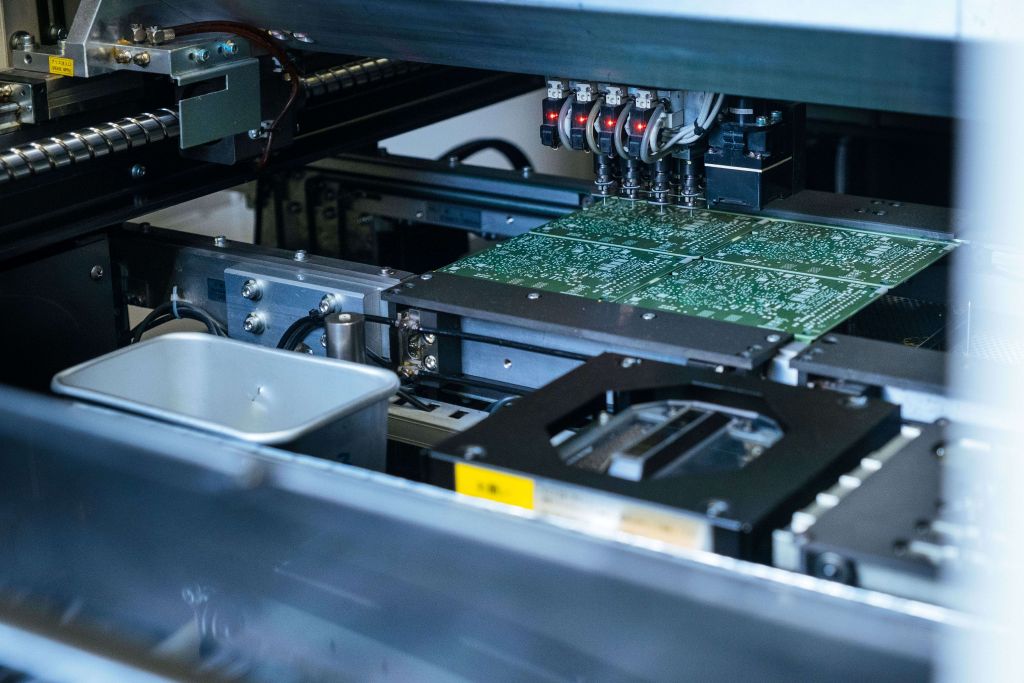
A central component is the new NPM-G Series – an integrated platform of SMT production systems designed to respond in real-time to changes in supply and demand, thus practically implementing autonomous manufacturing.
The series combines placement systems, printing technology, and peripherals into a seamless production environment. By using AI and automated processes, production lines can be flexibly configured and continuously optimized.
The focus is on:
• higher adaptability to changing batch sizes
• reduced downtime
• improved quality through integrated process control
Auto Setting Feeder (ASF): Automated Setup Process of Reel Rolls as a Key to Efficiency
A significant lever for autonomous manufacturing is the automation of previously manual processes. With the Auto Setting Feeder (ASF), Panasonic has developed a technology that fully automates the setup and loading of reel rolls – a first-of-its-kind approach in SMT manufacturing across all belt widths.
The ASF enables:
• automatic setup and loading of component reels without manual intervention
• continuous preparation of the next material supply during operation
• elimination of traditional splicing processes
• higher process reliability by avoiding faulty splicing processes and resulting downtimes and troubleshooting efforts
This significantly reduces setup times. Up to 60 seconds can be saved per operation. At the same time, feed speed and precision are significantly improved.
The automated setup process of reel rolls helps to minimize downtimes, significantly relieve the operator, increase utilization, and stabilize production processes.
Open Partner Ecosystem: Integration Instead of Island Solutions
Another central component of the approach is a deliberately open ecosystem. Panasonic Factory Solutions integrates partner solutions along the entire value chain – from MES systems to material flow to service and financing models.
The goal is to gradually develop existing production landscapes rather than completely replace them. Open interfaces and standardized data models enable the integration of heterogeneous systems and create the basis for seamless data availability.
Practical Relevance in Europe: Measurable Effects in Everyday Production
The concepts for autonomous manufacturing are already being implemented in European manufacturing. Companies particularly benefit from:
• higher flexibility in fluctuating demand
• reduced operating costs through automated processes
• improved equipment availability and more stable processes
The combination of the NPM-G platform, automated material supply, and integrated data architecture enables faster adjustments to production lines and responses to changes, a crucial advantage in increasingly volatile markets.
The Crucial Step: From Strategy to Implementation
For Panasonic Factory Solutions, the central lever of industrial transformation lies not only in technological innovations but in their consistent implementation. The approach marks a paradigm shift: away from isolated digitization projects towards a consistently integrated and operationally effective production strategy.
For manufacturing companies in the DACH region, this means primarily one thing: the path to autonomous manufacturing is determined not in the vision – but in its precise implementation in detail. This is exactly where Panasonic Factory Solutions comes in.
Contact: