
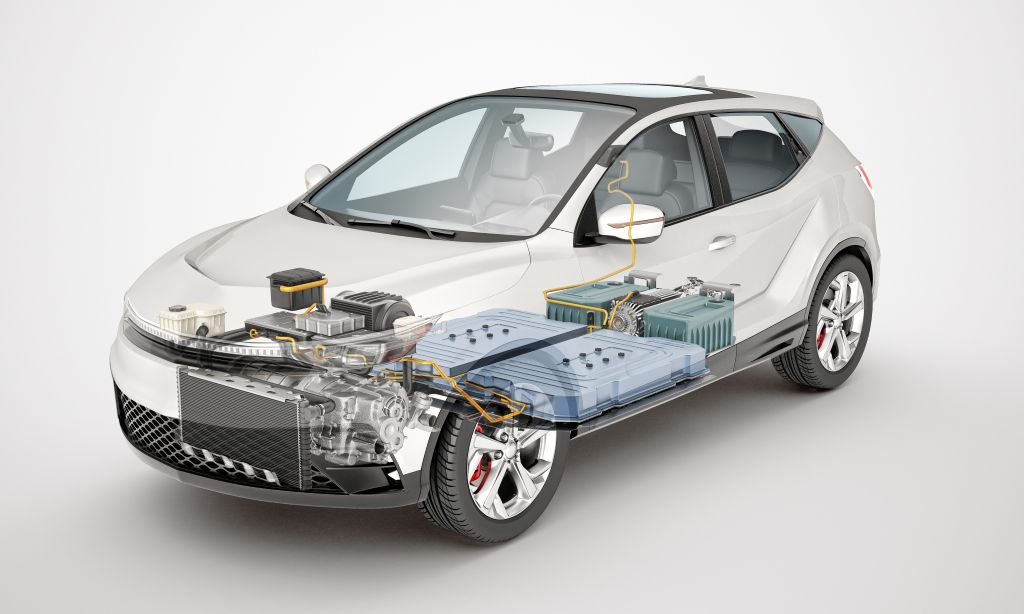
Under the leadership of Fraunhofer IWU, 28 partners from science and industry are working to reduce the CO₂ footprint of electric vehicles by at least 25 percent and significantly increase the share of reused materials. After one and a half years, the European research project ZEvRA (Zero Emission electric Vehicles enabled by haRmonised circulArity) can already report a positive interim balance. Examples: It has been proven that vehicle roofs can be economically stripped of paint and processed into new vehicle components, and many aluminum components can be manufactured almost entirely from reprocessed (secondary) aluminum. Plastics and composite materials with up to 97 percent recycling content have already been processed into initial components for demonstration purposes.
Since the project began in early 2024, significant progress has been made – particularly in the development of a harmonized assessment methodology for the circular economy of electric vehicles. This methodology creates a common foundation to make developments comparable and measurable, thus paving the way for circular vehicle concepts. It is a central component of ZEvRA's focus areas: digital tools, material and component use cases, and overall vehicle development.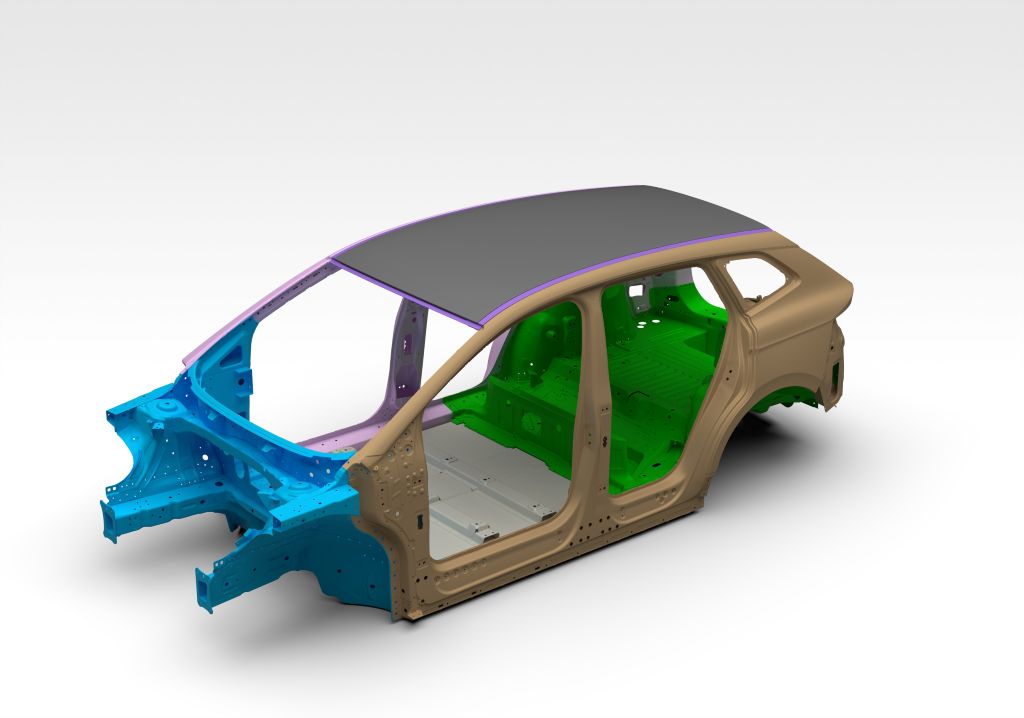
Materials and processes for the circular economy of tomorrow
The focus is on how key material groups of an electric vehicle – including steel, aluminum, plastics, glass, tires, and rare earths – can be fully integrated into closed material cycles. These materials account for about 84 percent of the total vehicle weight. The priority is the use of recycled materials, supplemented by alternative strategies such as repurposing.
In the case study, used vehicle roofs have already been chemically stripped, analyzed, and prepared for a second use – enabled by a specially developed process. Additionally, AI-based simulation software will support process development in the future, reducing simulation times from up to 14 weeks to one or two days.
In the aluminum sector, three material variants with nearly 100 percent secondary aluminum have been realized for casting, extrusion, and foam alloys. Digital twins help optimize processes and ensure quality. Plastics and composite materials with up to 97 percent recycling content have been processed into initial demonstrator components, such as battery covers and interior components.
In glass, targeted digital printing has managed to reduce the consumption of enamel color by about a quarter – concurrently, work is underway to integrate photovoltaic cells into vehicle roofs. A new tire approach already uses about 40 percent recycled materials without compromising safety.
Digitalization as an enabler
Digital tools are driving the development of circular vehicle concepts significantly forward. Another AI-based simulation tool called 'Circular-DESIGNer', which is already available as a prototype, allows designers to evaluate sustainability strategies during the development phase and improve the design accordingly. Design for Circular Economy means considering the recyclability of a product, i.e., the further and reuse or processing of systems and components from the very beginning. In ZEvRA, virtual twins digitally represent complete material cycles for aluminum, plastics, and composite materials. Furthermore, an architecture for the Digital Product Passport (DPP) has been designed, which will allow materials and components to be traced throughout their entire lifecycle in the future.
Circular overall vehicle as a target image
Based on the reference vehicle Škoda Enyaq, a modular vehicle concept with six main assemblies was developed. New joining techniques, such as screw and flange systems, are expected to reduce disassembly time by more than half in the future. This makes it easier not only to assemble valuable resources and components but also to economically recover them at the end of their life. Particularly with inexpensive materials, the profitability of a circular economy depends on such a paradigm shift. In the second project phase, ZEvRA will expand these concepts and processes to include the design of interior and exterior – as a basis for physical demonstrators that are intended to prove practical applicability.
1st Annual Conference (November 27, 2025, at project partner Eurecat in Cerdanyola/Spain or hybrid)
The ZEvRA's 1st Annual Conference brings together leading players from the mobility and automotive sectors and showcases practical ways to achieve circularity in electric vehicles. The focus is on innovations in design, materials, and business models. The conference offers keynotes, workshops, and discussions on technical, regulatory, and economic challenges as well as solutions. The goal: to strengthen collaboration so that circular value chains can be better established in Europe. More info and registration: Breaking Down the Barriers Toward a Circular Automotive Industry – ZEvRA (participation is free).
Knowledge creates the future
More than 420 professionals from industry and research have been involved since the project began through workshops and conferences. In parallel, the researchers set up a learning platform based on Moodle. Training offerings on topics such as life cycle analyses, digital twins, and recycling processes are being developed there.
Contact: