
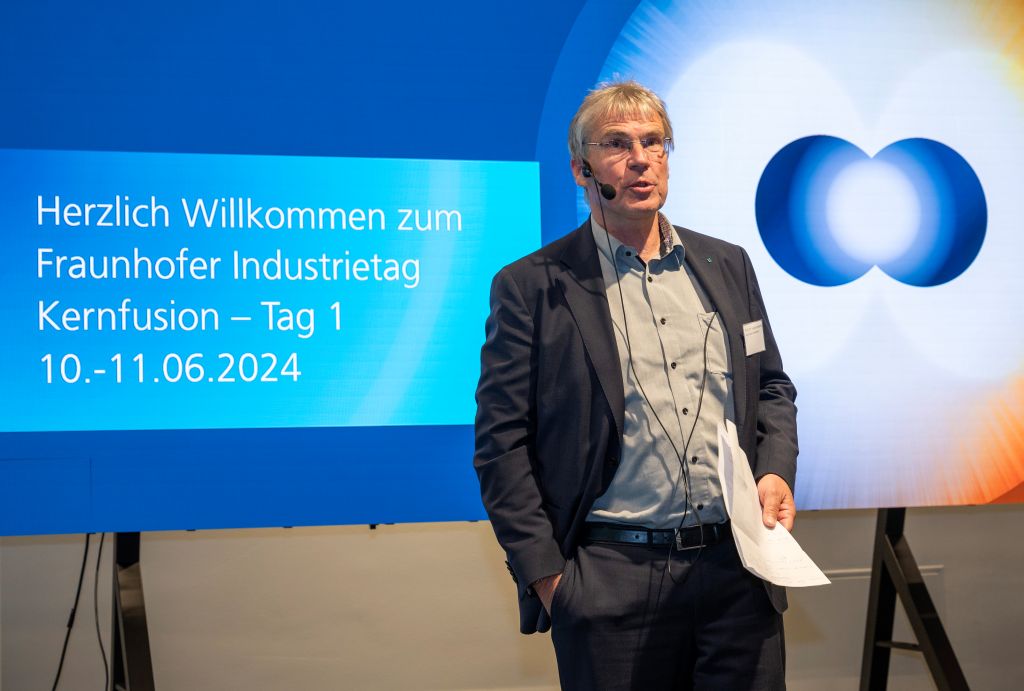
Fusion can become an important building block for a climate-neutral and reliable energy supply. This holds enormous market potential. Worldwide, competition for the first commercial fusion power plants has ignited, and Germany has a very good starting position. However, market leadership will only result if the establishment of industrial process and supply chains, as well as the knowledge exchange between research and industry, begins immediately. The Fraunhofer Industrial Day Fusion 2.0 provides the right platform for this. On October 15 and 16, 2026, it will bring together stakeholders from industry, research, politics, consulting, as well as the energy and finance sectors in Aachen.
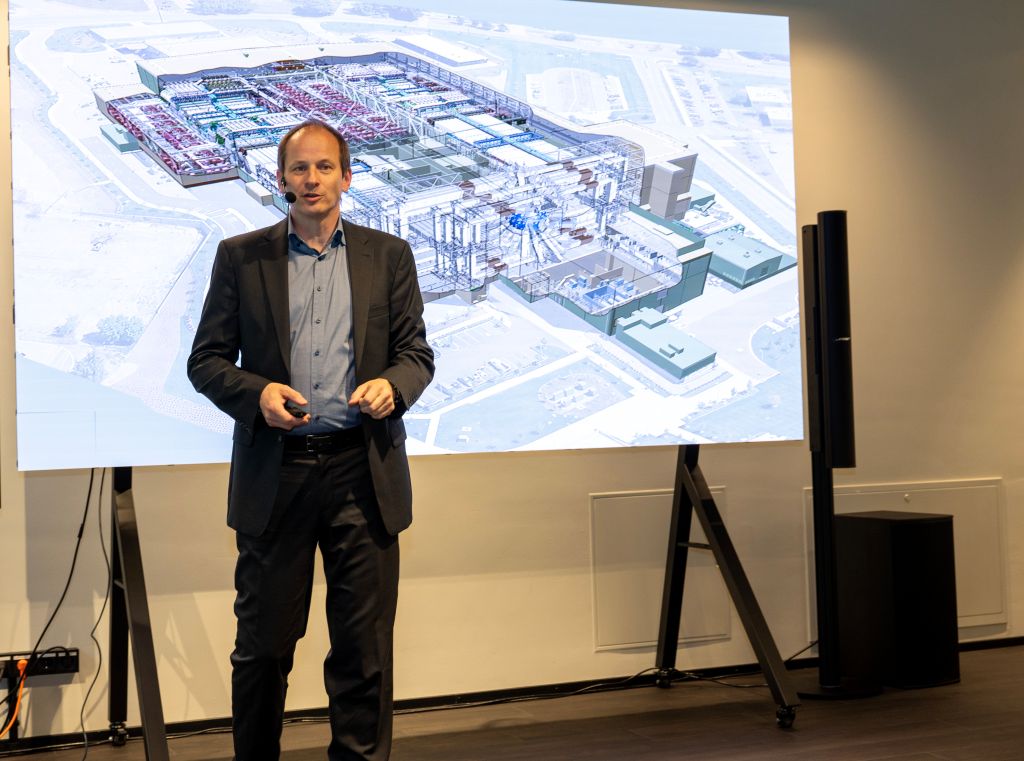
The High-Tech Agenda Germany is becoming concrete – and with it, the research and development for a fusion power plant in Germany. In May, the federal government presented a roadmap that outlines the path to the commercial use of fusion. A funding budget of 2.4 billion euros is available for this alone in the current legislative period. Fusion could make a central contribution to a climate-neutral, secure, and baseload-capable energy supply, strengthen technological sovereignty, and create new value creation, jobs, and export potentials in Germany, according to the justification.
Mission Fusion is gaining momentum
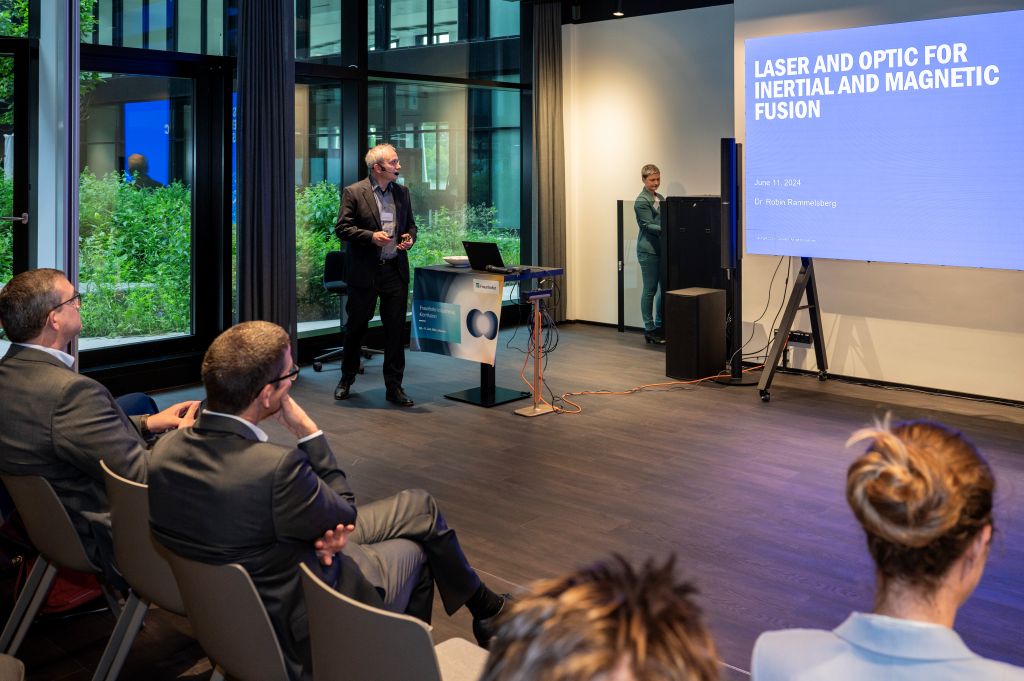
With the roadmap and the establishment of three hubs where fusion research is to focus in the coming decades and create innovation ecosystems, the 'Mission Fusion' is now gaining momentum. The goal is to decouple the energy system from the carbon cycle. Fusion power plants would be an optimal complement to the inexpensive but volatile wind and solar energy. The latter will cover the bulk of the rapidly increasing global electricity demand in the future. However, constant energy supply systems are also required for reliable supply. Therefore, the market potential is estimated to be in the hundreds of fusion power plants worldwide.
Germany can play a crucial role in this future market with its strong photonic and optical industry, the established collaboration between basic and applied research, and its abundance of industrial innovators. To achieve this, the establishment of sustainable process and supply chains for fusion power plants must begin immediately. Strong innovation ecosystems must come together to solve the challenges on the way to fusion power plants. Technological leaps are needed in high-energy laser technology and optics, in reactor materials, new highly automated manufacturing processes, as well as new approaches for the tritium cycle and the injection of fusion fuel from the two hydrogen isotopes deuterium and tritium. All of this requires high and risky investments. To minimize risks and refinance development efforts, it is essential to identify spin-off technologies in fusion research and transfer them to other markets as quickly as possible.
Fraunhofer Industrial Day Fusion 2.0 connects relevant stakeholders
The forward-looking 'Mission Fusion' requires intensive collaboration among stakeholders from industry, research and science, politics, consulting, as well as the energy and finance sectors. The Fraunhofer Industrial Day Fusion 2.0 provides the right platform for interdisciplinary and technology-open knowledge exchange on October 15 and 16, 2026. It also addresses magnet and laser fusion as well as approaches related to materials and the fuel cycle of future power plants.
Contact: