
To meet the high demands and challenging conditions in heavy transport, the project relies on innovative material combinations and the latest laser technologies. HyCoFC addresses not only sustainability in logistics but also strengthens the economic location of Germany and creates pioneering solutions for the energy transition.
Heavy transport, especially truck traffic, significantly contributes to global CO₂ emissions. In Europe, about 30 percent of emissions in the mobility sector come from road freight transport. Fossil fuels currently dominate this sector, as battery-electric solutions carry an enormous additional weight due to the required batteries, which affects the potential payload. Additionally, the associated requirements for charging currents and charging times pose significant limitations for use in heavy transport applications. Fuel cells offer a promising alternative as they combine high energy density with quick refueling.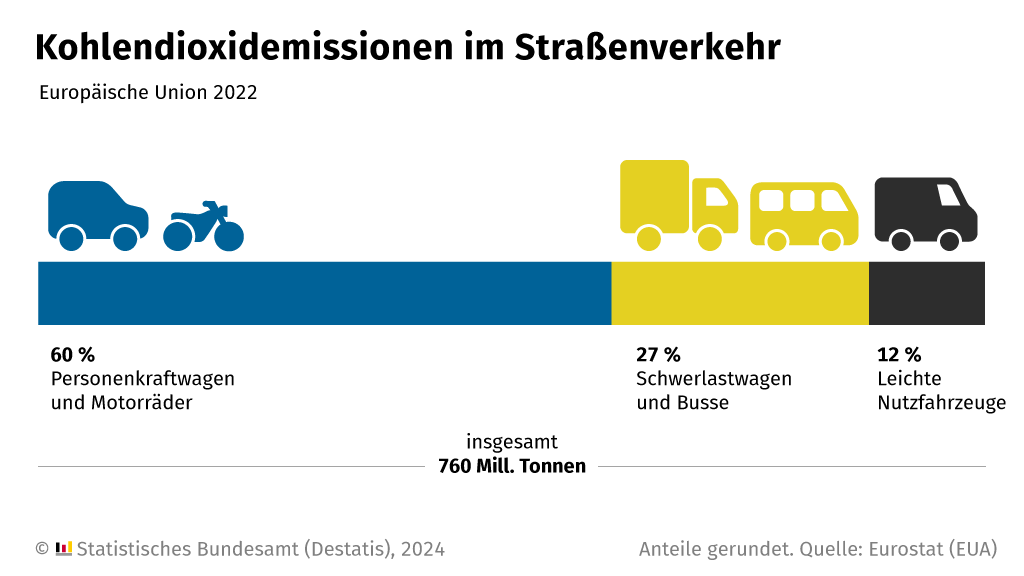
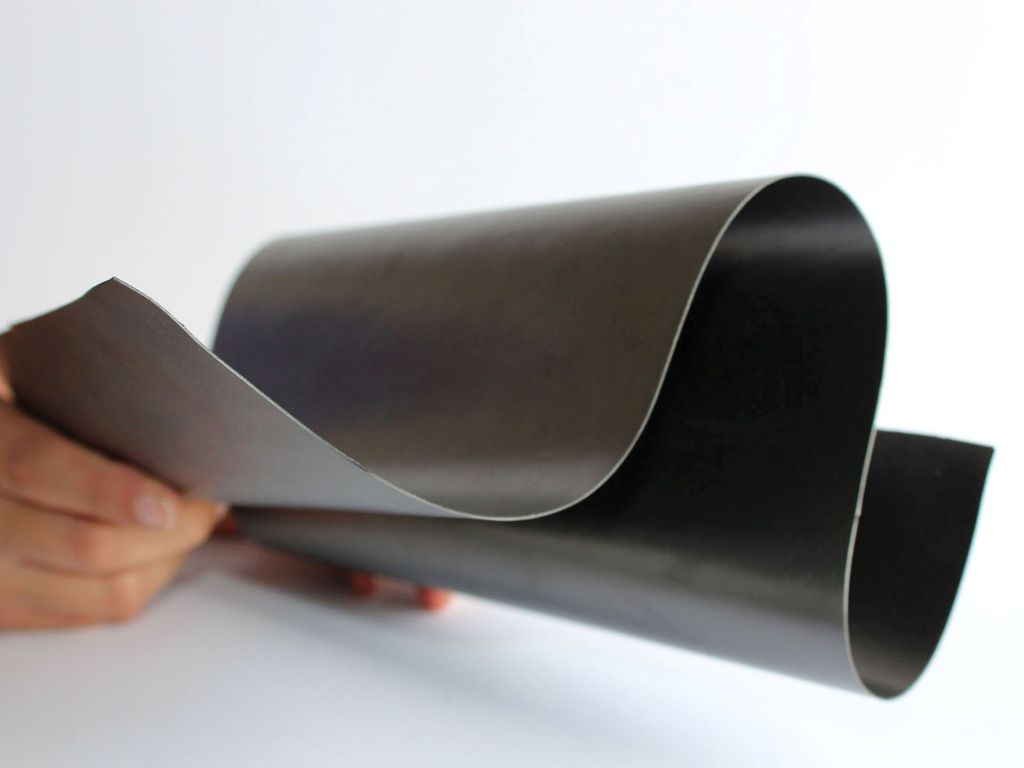
Fuel cells for heavy transport must be particularly robust and durable, as they are used under demanding conditions. Temperature fluctuations, mechanical loads, and corrosive environments place high demands on the materials and processing of the individual components. This is where the HyCoFC project comes in: The combination of a metallic carrier film with a conductive compound film unites the advantages of both materials. The large-format hybrid compound bipolar plates offer good electrical conductivity, mechanical stability, and excellent corrosion resistance – properties that are crucial for heavy transport. These plates are intended to improve the lifespan of fuel cells while simultaneously reducing production costs.
Moreover, the modular structure of the fuel cell stacks allows for scaling for different applications, from commercial vehicles to ships and even stationary applications. 'This versatility makes the technology an ideal component for the energy transition in the mobility sector,' explains Friederike Brackmann from the Joining and Separation Department at the Fraunhofer Institute for Laser Technology ILT.
Science and Industry: Researching Together
The HyCoFC project is funded as part of the innovation competition 'Energy.IN.NRW', which is part of European regional funding. The total duration of the project extends from June 15, 2024, to June 14, 2027. With a total funding volume of around 3 million euros, the project is supported by a strong financial basis that enables partners from science and industry to carry out extensive research and development work. In addition to Fraunhofer ILT, Fraunhofer UMSICHT is also involved on the scientific side. The industrial companies are project coordinator thyssenkrupp Steel, as well as FEV, Schepers, and Cleanlaser.
Thyssenkrupp Steel manufactures the metallic carrier film with a chrome coating to improve corrosion resistance and bonding properties to the compound film. Fraunhofer UMSICHT specifically controls the electrical and thermal conductivity of the compound film by selecting specific materials and fine-tuning their composition. Fraunhofer ILT is focused on the further development of laser-based technologies for the production and functionalization of hybrid compound bipolar plates within the project. Friederike Brackmann primarily addresses the joining challenges, while her colleague Tobias Erdmann from the Surface Technology and Form Removal Department at Fraunhofer ILT deals with the selective removal of the compound elements using laser radiation and the final electrochemical characterization of the hybrid stack. Using different laser techniques, they introduce microstructures into the components to improve the connection between the metallic and polymer-based components. Additionally, they develop processes for removing material layers, maximizing the electrical conductivity of the bipolar plates.
In the in-house Hydrogen Lab of Fraunhofer ILT, researchers find a comprehensively equipped infrastructure specifically designed for the practical development and optimization of hydrogen technologies. On an area of 300 m², state-of-the-art laser technology testing facilities and test stands are set up, allowing both individual manufacturing steps and complete process chains as well as specific industrial applications to be tested and further developed under realistic conditions.
Brackmann tests here, for example, how the bipolar plates can be joined in a hydrogen-tight and reproducible manner using laser beam welding. Erdmann investigates how the transition resistance between the bipolar plate and the gas transport layer can be optimized. 'We expose the conductive graphite filler material in the contact area to the gas transport layer,' explains the researcher. 'Unlike mechanical grinding processes, ultrashort pulsed laser radiation can selectively remove the plastic without damaging the filler material.'
Future Perspectives for Sustainable Transport
By combining innovative materials and production methods, not only are the requirements of heavy transport met, but new standards in fuel cell technology are also being set. The developed hybrid compound bipolar plates have the potential to significantly increase the lifespan of fuel cells and expand their application possibilities. From heavy-duty vehicles to maritime applications and stationary systems, the project opens up diverse perspectives for climate-friendly energy supply.
'Fraunhofer ILT plays a central role in the development of hybrid compound fuel cells by providing pioneering laser manufacturing technologies that significantly improve both the efficiency and longevity of these innovative energy systems,' explains Friederike Brackmann.
The close collaboration between project partners and support from funding programs create the foundation for a successful implementation of the results in practice. 'A particular focus of HyCoFC is on the development of processes that enable economically scalable and cost-efficient production in large quantities,' says Tobias Erdmann. 'Here, we rely on the roll-to-roll process, which ensures continuous and high-quality processing of the materials. This is what we want to implement and test next.'
HyCoFC Project Partners
- Fraunhofer ILT
The research institute for laser technology brings its expertise in surface functionalization and processing as well as precise laser welding and laser cutting. This includes laser-based structuring and optimization of the connections between metallic and polymer-based materials. - Fraunhofer UMSICHT
The institute develops the conductive compound film. Fraunhofer UMSICHT makes a significant contribution to material research and optimization. - Thyssenkrupp Steel
The project coordinator produces the metallic carrier film, which improves the connection to the compound film through a special surface coating while providing high mechanical strength. - FEV
The engineering company supports the integration and testing of the fuel cell stacks in various applications. - Schepers
Specializing in embossing technology, the company develops and supplies high-precision tools for the production of bipolar plates. - Cleanlaser
The spin-off of Fraunhofer ILT brings its expertise in laser-based surface cleaning and preparation to create optimal conditions for the bonding of materials.
Contact: