
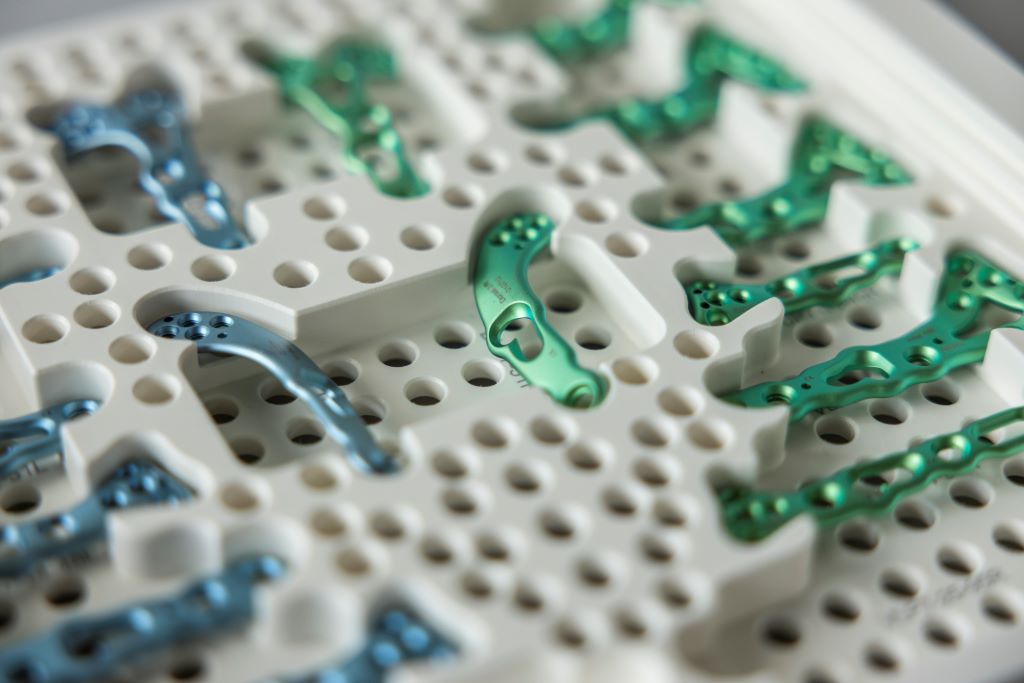
Florian Lukats can tell when winter is just by looking at the order books. He manages the milling department at hg medical in Raisting, a municipality at the southern end of Lake Ammer. The contract manufacturer specializes in the specific needs of the medical industry. In winter, the demand for the products produced here in a three-shift operation increases: orthopedic implants for osteosynthesis. The small plates – often made of titanium, sometimes stainless steel – bridge fractures and thus allow for a natural healing of the bone in a shorter time.
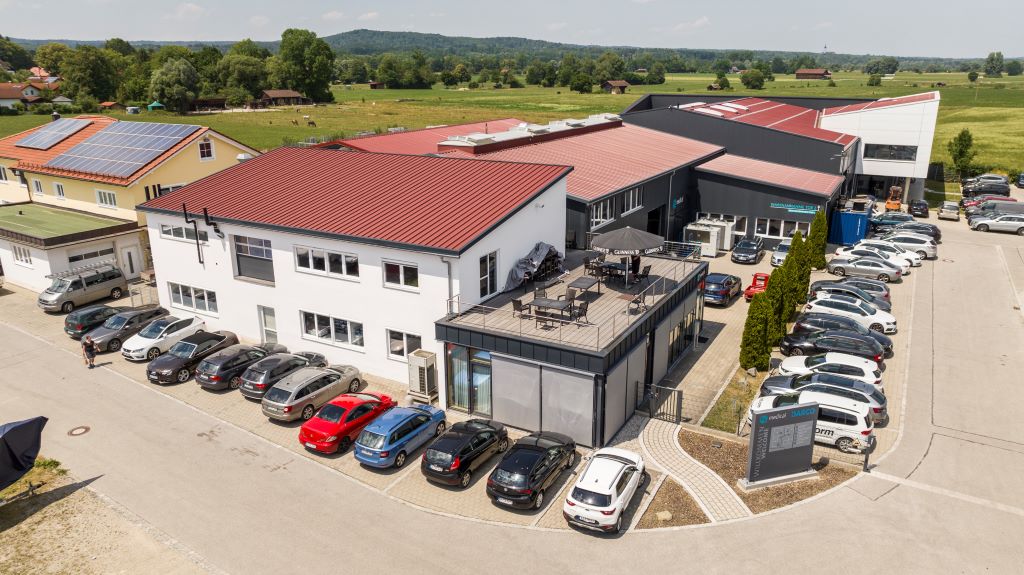
The company started in 2007 with two milling machines, two lathes, and two employees. Today, there are about 190 people employed in Raisting alone. The second plant established in the USA in 2015 now has around 40 employees. The machinery has also grown: "We have nineteen machining centers from HERMLE in Germany and four in the USA, with another five planned in Raisting."
"In addition, we are currently building our third plant in the USA, which is intended to be identical in capacity to this one," explains Lukats. The strong connection to the United States is historically rooted: hg medical originated from the European sales center of an American provider of orthopedic aids and shoes. "To this day, around 90 percent of our customers are based in the USA," adds Lukats.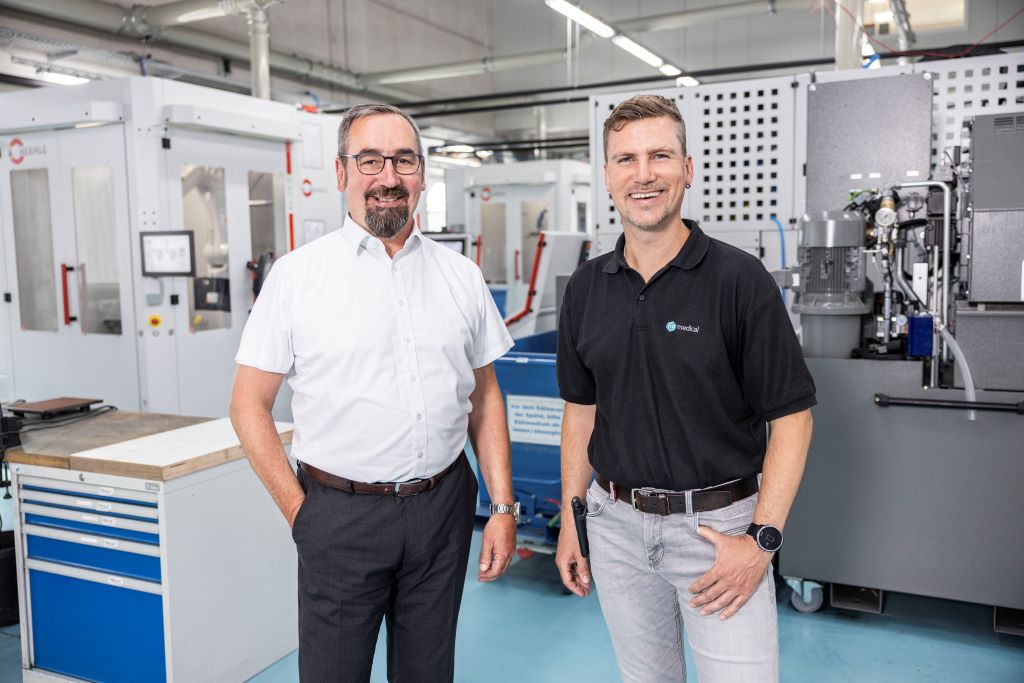
Who grows so successfully will quickly find it too cramped. This is also evident at the Upper Bavarian location. Initially, turning, milling, and analysis were accommodated in one building, where the entire second process took place: from surface treatment to quality control to packaging. When it became too cramped, the company built right next door and relocated the milling operation. Further growth required a third hall.
"This location is very complex," explains Lukats, adding: "And we are far from finished with the expansion. Here in Raisting, we have no more capacity. That's why we are now heading to the USA."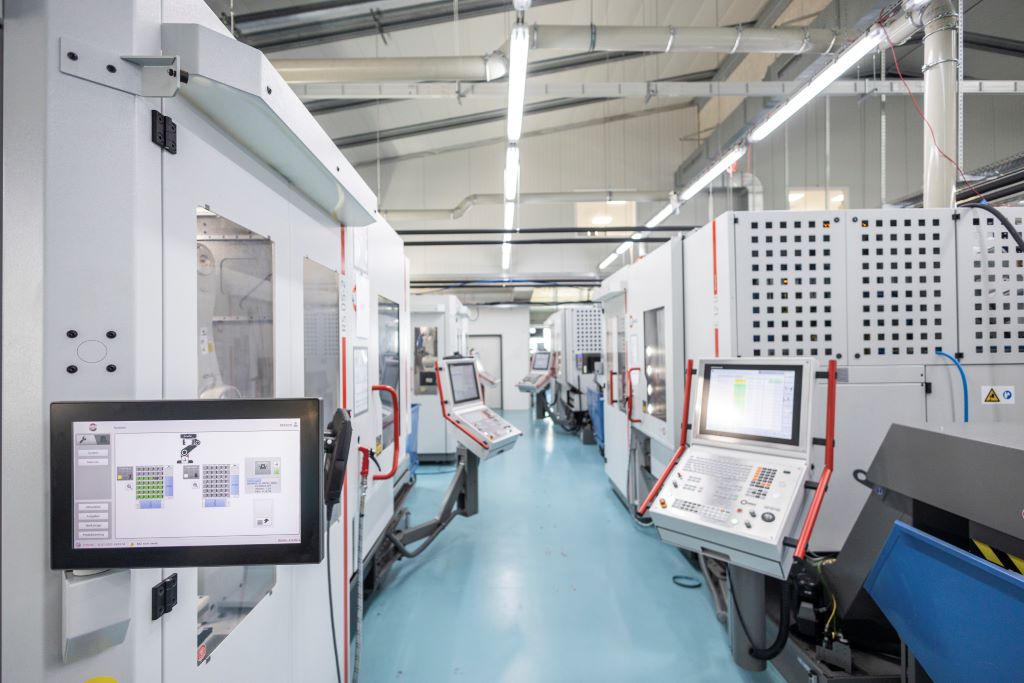
So that it does not cause any damage.
For the requirements of the contract manufacturer’s parts, the location of the customers does not matter – the regulatory authorities such as the FDA (Food and Drug Administration) are strict everywhere. Tolerances, surface quality, and overall quality must always be at the highest level. "It starts with optical quality, goes through dimensional accuracy, and extends to documentation," explains Lukats.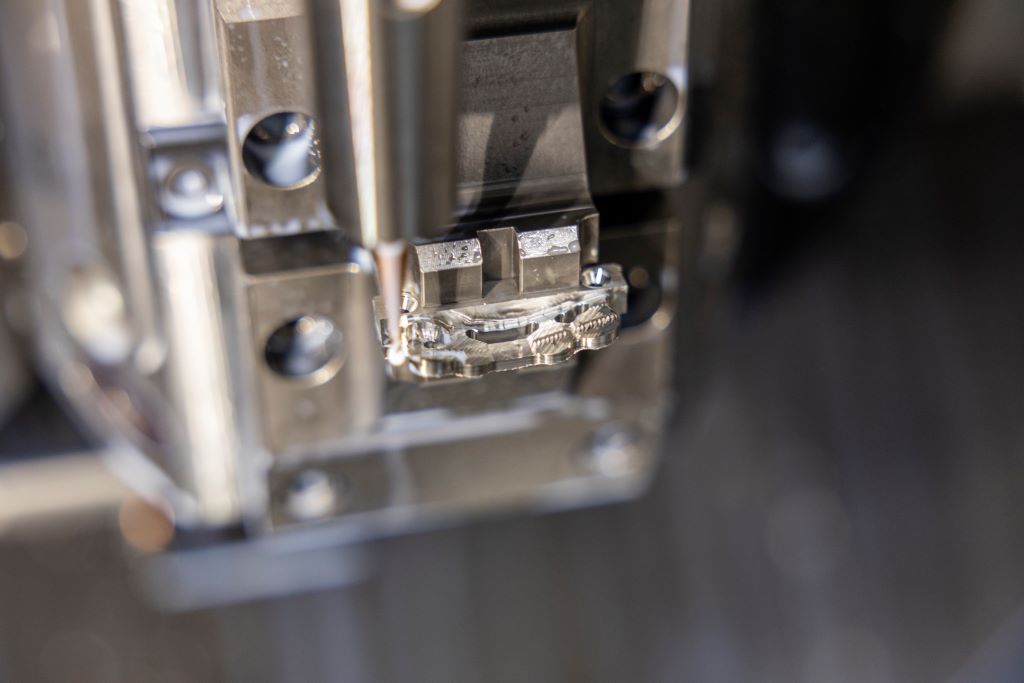
It is also important that the coolant is suitable and that the fats, oils, and lubricants are approved by the pharmaceutical authorities. After the entire processing process, there should be no residues left on the implant that could harm the human body. "We operate within a few hundredths of a millimeter when it comes to machining tolerances," Lukats points out a requirement that ultimately led hg medical to HERMLE.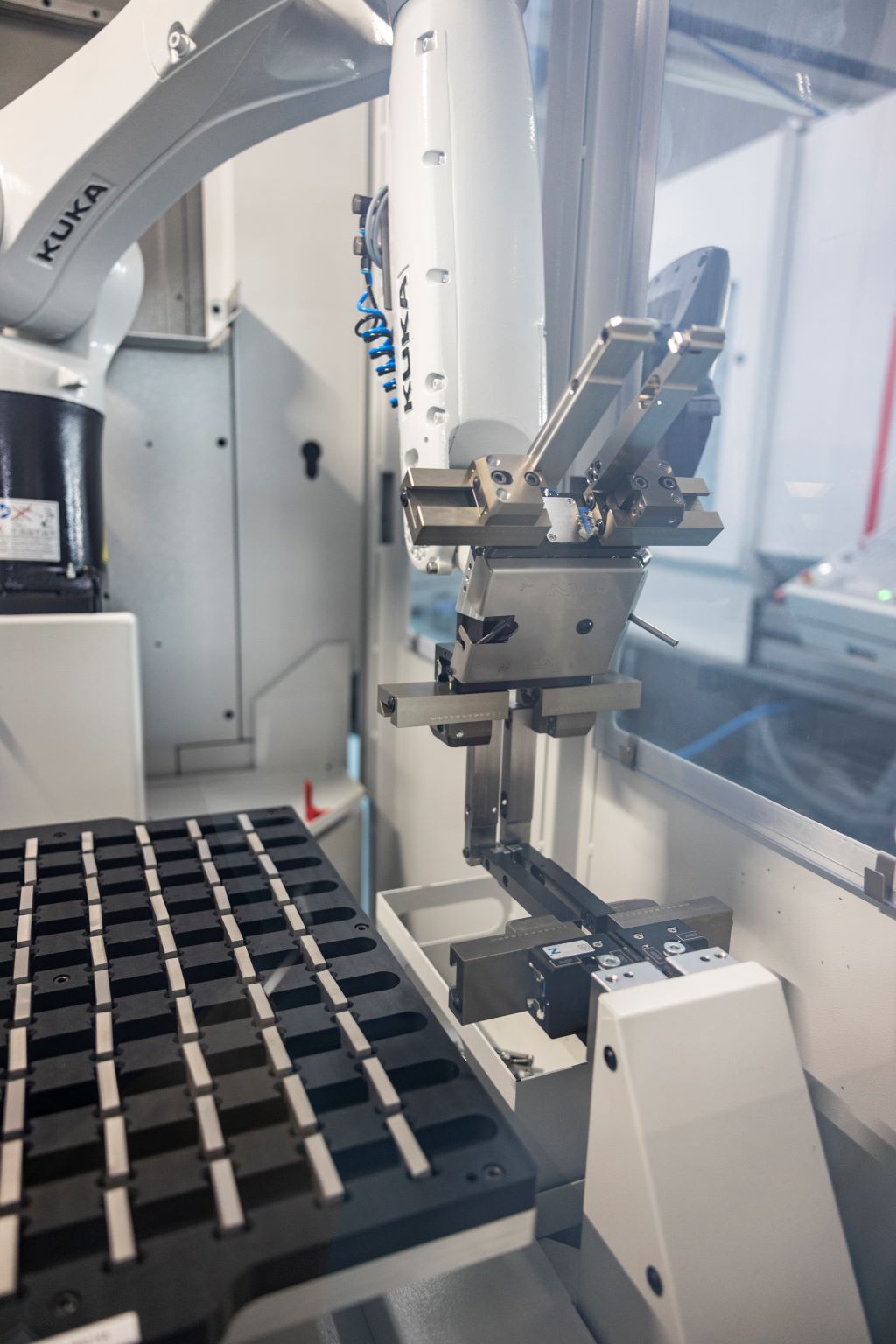
"HERMLE delivers the quality, precision, and accuracy that we need, especially in the five-axis simultaneous machining of free-formed implants," explains Lukats regarding the strong presence of HERMLE machines at the headquarters. They fill an entire hall, each carrying its own number for unique identification, arranged but not sorted. This relates to documentation requirements and organic growth: each five-axis machining center is certified, which is why hg medical cannot change the internal machine designations. Rearranging is also no longer possible due to the limited space.
First Robots in Use
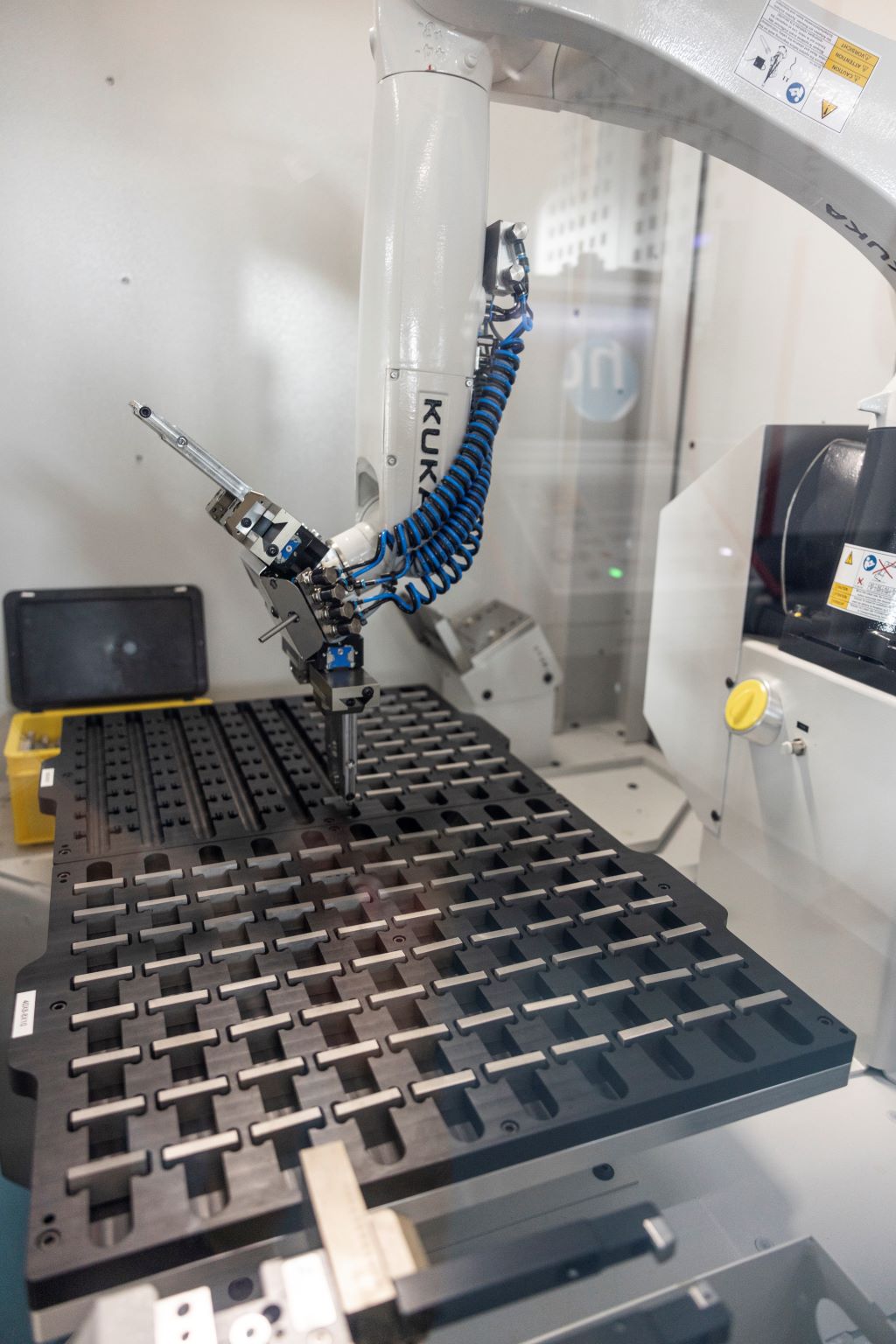
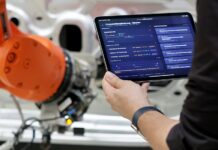
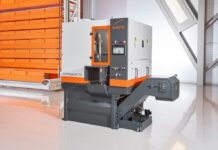
Since the beginning of 2023, four additional HERMLE machining centers of the type C 12 U RS 05 have been in the milling hall. So far, hg medical has automated all machines with the IH handling system. For the first time, robots are now involved in the four new systems. They place raw parts in the clamping device, re-clamp the semi-finished part, and remove the finished milled implant. In the other systems, a workpiece changer supplies the milling centers with pre-clamped material, enabling automated operation without personnel. "We have many small series. The investment plan for the RS 05 systems was established after a customer ordered significantly larger quantities of their products. We wanted to become faster and reduce personnel costs," reports Lukats. How? By having the robot-assisted milling centers take over a work step that was previously only possible manually.
"Until now, we milled the implants in a single setup. This leaves two support pins that we have to break out and manually grind down," explains Lukats. In order for the C 12 U to mill away the small overhang, a second setup and a gripper that repositions the component are required. The special feature: To work with extreme precision, the fixture is the negative of the bone plate.
"After the first milling process, the gripper takes the semi-finished implant and places it into the negative mold. Positioning holes ensure the exact location, allowing the machine to process the surface as precisely as in the first clamping. Thus, the plate comes out finished after 19 to 25 minutes and is ready for surface treatment and quality inspection."
Triple profit
"We have high expectations for robot automation: it should save time and effort while maintaining or even improving quality. HERMLE has implemented this," praises Lukats. hg medical saves the manual grinding, which always carried a risk of errors. The company also optimizes the preliminary work: instead of pre-forming the blanks and clamping them in the vises, as required by other automation, the operator simply pushes a die with the titanium or stainless steel plates into the robot cell.
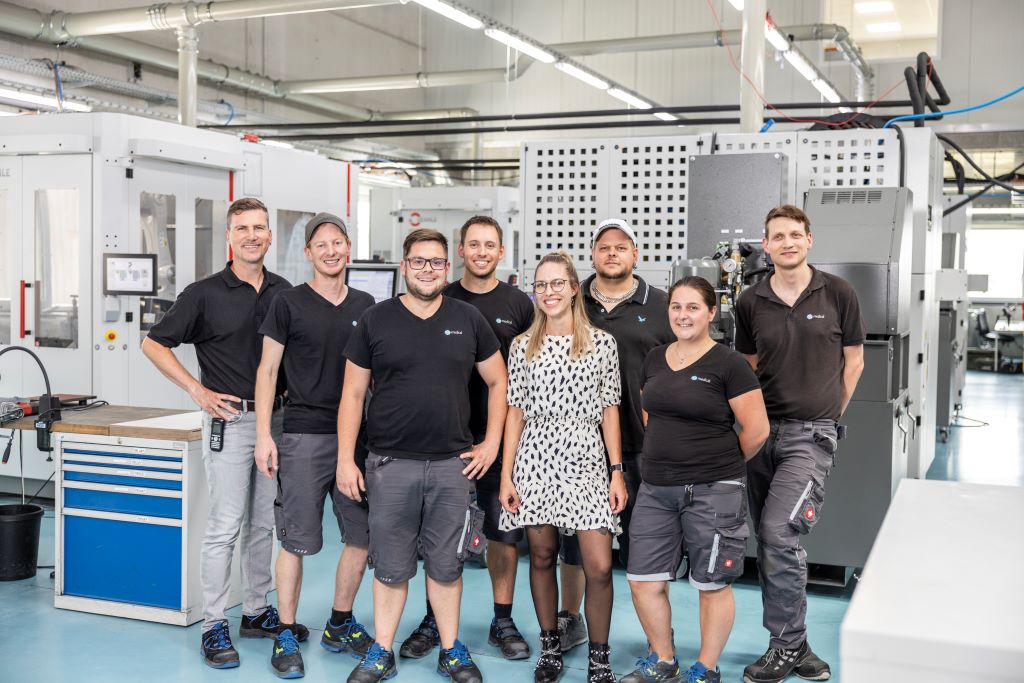
Apart from that, the HERMLE robots also score in a completely different way, as Lukats concludes: "Modern high-tech machines excite people. The new technology is a motivation boost for our employees and fuels our growth."
Contact: